Selling an Upper West Side co-op is rarely just about making the apartment look nice. You are also preparing for buyer scrutiny, attorney review, managing-agent coordination, and a board-driven approval process that can reward organization as much as presentation. If you want a smoother launch and fewer surprises once offers arrive, the right prep work starts well before photos are taken. Let’s dive in.
Why Upper West Side co-op prep is different
The Upper West Side remains one of Manhattan’s most established residential markets, and co-ops continue to make up a large share of resale activity. In PropertyShark’s April 2026 snapshot, the neighborhood median sale price was $1.9 million, with co-ops at $1.4 million across 91 sales and condos at $2.4 million across 54 sales. That mix reflects what many longtime owners already know: on the Upper West Side, preparing a co-op for market usually means more than a cosmetic refresh.
In a co-op sale, the buyer is purchasing shares in a corporation and receiving a proprietary lease for the apartment. In New York, boards are governed by their by-laws, proprietary lease, certificate of incorporation, and house rules. That means your sale is shaped not only by how your home shows, but also by how clearly the apartment, paperwork, and building story come together.
Start with the board process in mind
A strong offer is important, but in many Upper West Side co-op sales, board readiness matters just as much. Buyers are often expected to present detailed financial and personal documentation, and buildings may have their own acknowledgments, application steps, and timing requirements. If your listing process begins with that reality in mind, you can help reduce delays later.
The New York Attorney General notes that prospective purchasers are encouraged to review items like annual reports, minutes, and financial reports before signing a sale agreement. Buyers are also advised to evaluate the building’s physical condition, including systems like the facade, roof, elevators, windows, plumbing, heating, cooling, and wiring. For you as a seller, that means apartment prep and building-level preparation should happen together.
What boards and buyers tend to focus on
A co-op board package typically helps show three things:
- Identity
- Financial capacity
- Reliability
A strong NYC board package may include tax returns, bank statements, asset verification letters, employment verification, references, ID, financing documents if applicable, insurance proof, and signed building forms. Exact requirements vary by building, but organized records send a clear message from the start.
Focus on high-impact cosmetic prep
You usually do not need a full renovation to prepare an Upper West Side co-op for sale. In fact, the most useful pre-listing work is often simpler, more strategic, and less disruptive. For many longtime owners, that is good news.
NAR’s 2025 staging research found that 83% of buyers’ agents said staging made it easier for buyers to visualize a property as a future home. The same research found that 73% said listing photos were much more important or more important to clients. That supports a practical approach: make the apartment feel clean, open, and easy to understand both online and in person.
Prioritize the rooms that shape first impressions
If you are deciding where to spend your time and effort, begin with the spaces buyers notice most:
- Living room
- Primary bedroom
- Kitchen
Those rooms ranked highest in staging importance in NAR’s research. In many Upper West Side co-ops, they are also the spaces that define the apartment’s layout, light, and overall feel in listing photography.
Keep your prep checklist simple
A realistic pre-market plan often includes:
- Decluttering surfaces and storage areas
- Removing bulky furniture that interrupts flow
- Touching up paint where wear is visible
- Tightening loose hardware
- Replacing burned-out light bulbs
- Deep-cleaning kitchens and baths
- Editing excess decor so architectural details stand out
This kind of preparation aligns with what many agents already recommend instead of full staging or major renovation. It is less about creating a new apartment and more about helping buyers see the one you already have.
Prepare documents before the listing goes live
One of the biggest mistakes in a co-op sale is waiting until an offer arrives to start gathering paperwork. By then, your apartment may be getting strong interest, but public-record questions, legal review, or missing renovation documentation can slow the process. A more polished launch starts with document readiness.
New York City purchase and sale agreements are legally binding and should be reviewed by your attorney before signature. Brokers are not permitted to draft legal documents or give legal advice. In practice, that makes early coordination between your agent, attorney, and managing agent especially valuable.
Documents worth gathering early
Before you list, it is wise to locate and organize:
- Building application requirements
- Share and lease information if applicable
- Recent maintenance information
- Renovation permits and sign-offs
- Contractor warranties or service records
- Appliance and system records
- Building alteration agreements if relevant
- Contact information for your attorney and managing agent
If you renovated your apartment or completed capital repairs, early documentation matters even more. Buyers and boards may review public building history, and missing records can create unnecessary questions even when the apartment shows beautifully.
Check the building record before buyers do
In New York City, building history is not hard to find. The city’s Buildings Information System and DOB NOW allow users to review permits, complaints, violations, and job filings. HPD also states that open violations remain active on the department record.
That does not mean every issue is serious, but it does mean you should know what a buyer may see. If there are unresolved items tied to your apartment or building history, it is better to understand them before marketing begins. A clean, well-managed narrative builds confidence.
Why record cleanup matters
Public-record issues can affect:
- Buyer comfort during due diligence
- Attorney review timing
- Board package preparation
- Overall transaction momentum
For Upper West Side sellers, this is often one of the most overlooked parts of pre-listing prep. Yet it can be just as important as paint color or furniture placement.
Use photography to support the story
Your online debut sets the tone for every showing that follows. Since buyers often encounter the apartment through photos first, presentation should be planned with the camera in mind, not just the open house.
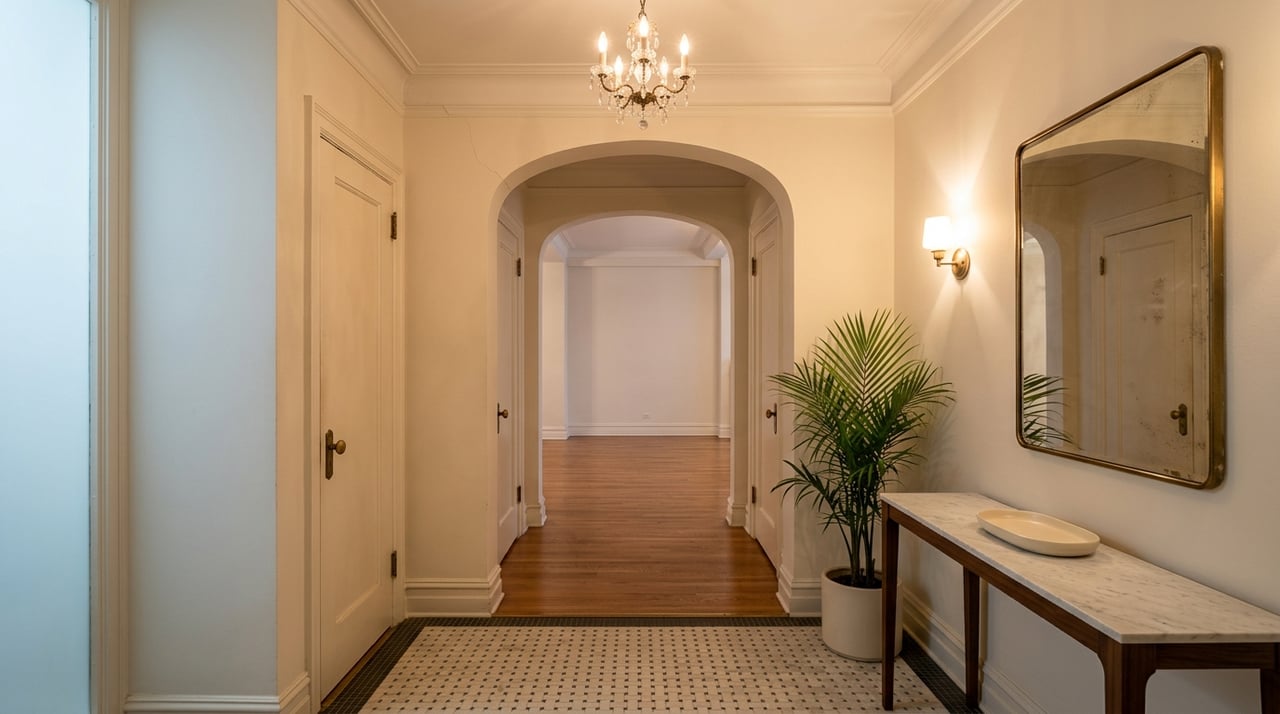
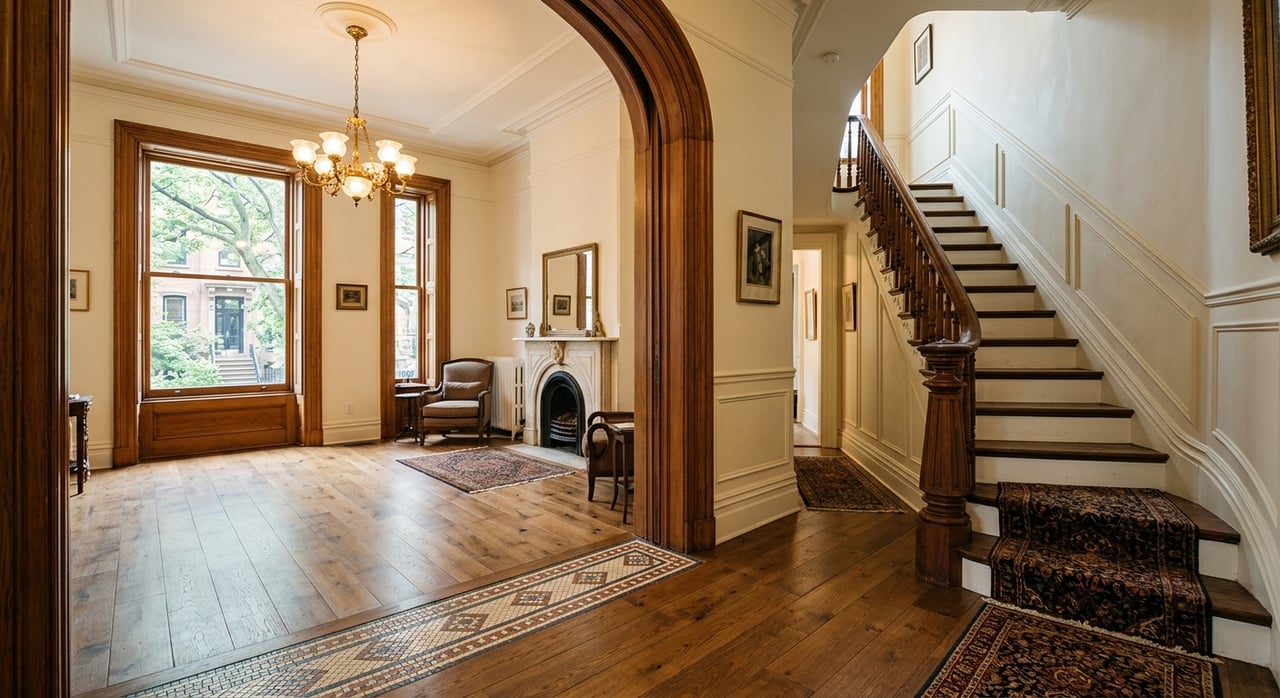
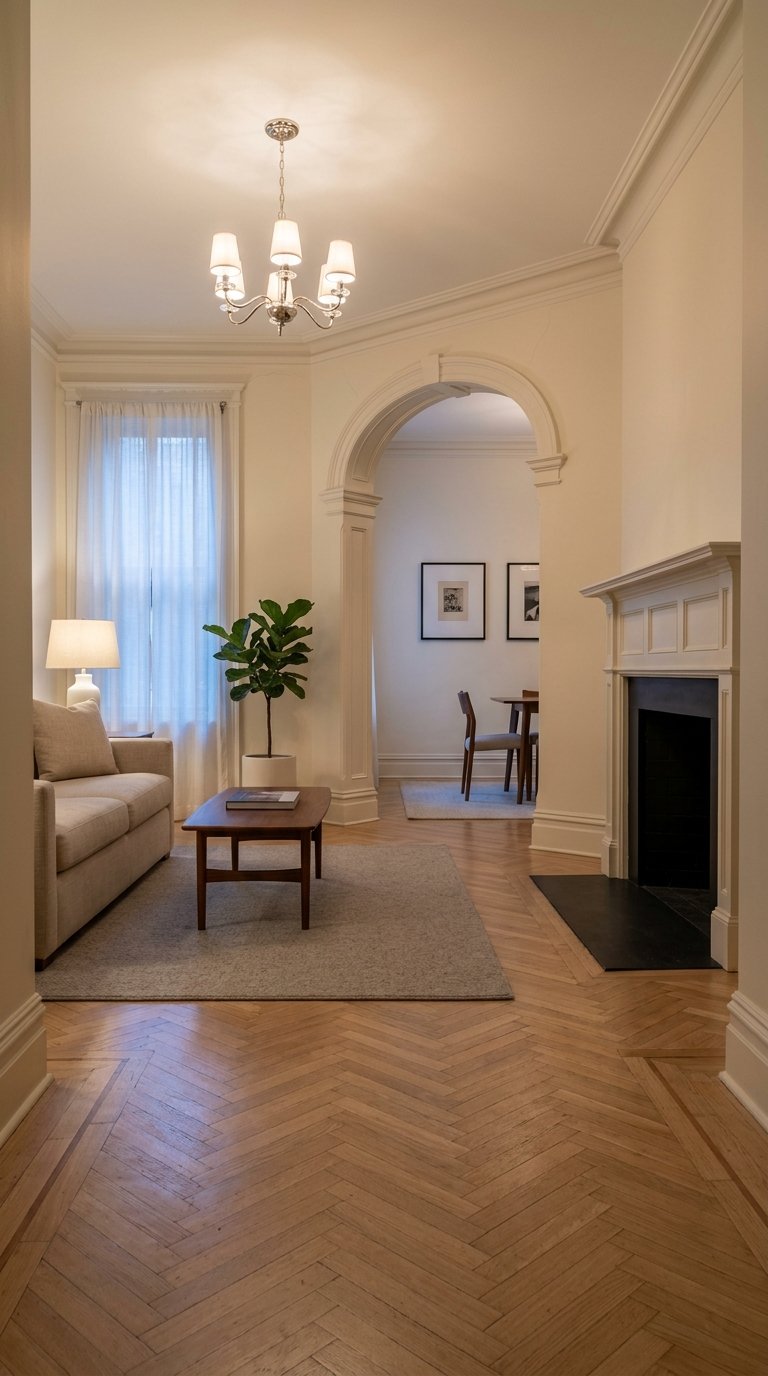
NAR’s 2025 staging research found that staged homes made buyers more willing to walk through a property they first saw online. Even modest prep can improve how space, light, and layout read in photography. In a neighborhood known for classic prewar homes and established co-op buildings, thoughtful visuals can help buyers understand both charm and function.
Before photography day
Try to make sure the apartment feels:
- Bright
- Clean
- Balanced
- Uncrowded
- Consistent from room to room
This is where curated staging or light transformation work can be useful. The goal is not to erase personality, but to create clarity around scale, flow, and architectural detail.
Price strategy works better with good prep
Presentation does not guarantee a specific sales price, and staging should never be framed as a promise of a particular outcome. Still, better preparation can improve how buyers engage with the listing and how quickly they understand its value.
NAR’s 2025 research found that some sellers’ agents reported a 1% to 5% increase in buyer offer value when a home was staged, while others reported a slight decrease in time on market. The most responsible takeaway is simple: strong prep helps your apartment compete more effectively, especially when paired with polished photography and organized documentation.
A practical Upper West Side timeline
For many longtime co-op owners, the smoothest sales begin with a measured, concierge-style plan rather than a rushed sprint. That is especially true if you are balancing a move, a downsizing decision, estate coordination, or years of accumulated belongings.
A sensible sequence often looks like this:
Step 1: Evaluate the apartment honestly
Walk through the home as a buyer would. Note visible wear, furniture that crowds key rooms, deferred maintenance, and anything that may raise documentation questions.
Step 2: Review building and apartment records
Check whether there are permits, violations, renovation files, or other building-history items that need attention. Confirm what your building will require from a buyer and what your attorney will need from you.
Step 3: Complete light improvements
Handle touch-up work, cleaning, decluttering, and any small repairs that improve first impressions. Focus first on the living room, primary bedroom, and kitchen.
Step 4: Curate presentation
Edit furniture and decor so rooms feel open and easy to photograph. If needed, use selective staging or light styling to help key spaces read more clearly.
Step 5: Coordinate launch materials
Once the apartment looks right and your records are in order, photography and marketing can do their job more effectively. This is also when pricing strategy becomes easier to support.
Why experience matters in a co-op sale
An Upper West Side co-op sale asks for more than market exposure. It calls for calm coordination, local knowledge, and the ability to manage moving parts without creating extra stress for you. That includes knowing how to position the apartment, when to involve attorneys and managing agents, and how to keep momentum once a serious buyer appears.
For many sellers, especially longtime owners, the best experience feels discreet, organized, and highly tailored. When your preparation is thoughtful from the beginning, your listing enters the market with a stronger story and a more confident path forward.
If you are thinking about selling your Upper West Side co-op, a tailored plan can help you decide what is worth doing now, what can wait, and how to bring your home to market with less friction. For a discreet, concierge-level valuation and prep strategy, connect with The Schier Cloonan Team.
FAQs
What should Upper West Side co-op sellers do before listing?
- Start with decluttering, small repairs, deep cleaning, document gathering, and a review of any building or apartment records that could affect due diligence or board review.
What matters most to an Upper West Side co-op board?
- Financial strength, complete paperwork, and a clear record of reliability are central parts of most board reviews, alongside the building’s own application requirements.
Do Upper West Side co-op sellers need to renovate before going on the market?
- Usually no. In many cases, cleaning, decluttering, touch-ups, and strong photography have more practical impact than a major renovation.
Should Upper West Side co-op paperwork be ready before photography?
- Yes. Public-record issues, renovation documents, and attorney review can all slow a deal once a buyer is interested, so early preparation is wise.
What documents are helpful for an Upper West Side co-op sale?
- Common items include renovation permits and sign-offs, warranties, service records, building application requirements, and contact information for your attorney and managing agent.
Why do listing photos matter so much for an Upper West Side co-op?
- Buyers often form their first impression online, and strong photos help them understand the apartment’s layout, light, and condition before they schedule a showing.