What makes one Upper West Side listing feel instantly compelling while another sits without the same momentum? In a neighborhood filled with prewar co-ops, classic apartments, and high-value homes, buyers often make early judgments based on how clearly a space reads online and in person. If you are preparing to sell, staging can help you highlight scale, light, and condition so your home makes a stronger first impression. Let’s dive in.
Why staging matters on the Upper West Side
The Upper West Side is not a one-note market. It includes a large share of older co-ops and prewar apartments, with higher-priced homes clustered near Central Park and Riverside Drive and smaller, older co-ops still offering relative value in some pockets. Public market trackers also show meaningful price points and a moderate marketing window, with Redfin reporting a March 2026 median sale price of $1.535 million and 75 days on market, while Realtor.com reported a median listing price of $1.75 million, a 98% sale-to-list-price ratio, and 55 days on market.
In that kind of environment, presentation matters because buyers need to understand a home quickly. On the Upper West Side, that often means helping them read room proportions, natural light, storage potential, and overall condition without confusion. Staging supports that goal by making the apartment easier to interpret, both in listing photos and during showings.
According to the National Association of Realtors' 2025 Profile of Home Staging, 83% of buyers' agents said staging made it easier for buyers to visualize a property as a future home. The same report found that 73% of buyers' agents said photos were much more important or more important to their clients. In a market where many buyers start with online listing media, that matters.
What staging really does
Staging is not about disguising a property. It is about editing the space so its strengths come through clearly. For many Upper West Side homes, that means reducing visual noise, choosing furniture that fits the room, and drawing attention to architectural details rather than competing with them.
This approach is especially useful in older apartments. Prewar layouts can be elegant and full of character, but they can also feel smaller or darker if they are overfurnished or crowded with personal items. Thoughtful staging helps buyers see the bones of the home, not just the current setup.
Staging can also support better marketing assets. Since buyers place high value on photos, videos, and virtual tours, the home needs to look clean, balanced, and intentional from every angle. A well-staged room tends to photograph with more clarity, which can improve how buyers respond before they ever schedule a showing.
Focus on the rooms buyers notice first
Not every room needs the same level of attention. NAR's 2025 data identified the living room, primary bedroom, and kitchen as the most important rooms to stage from the perspective of buyers' agents. On the seller side, the living room, primary bedroom, dining room, and kitchen were staged most often.
For Upper West Side sellers, this is helpful because it supports a smart, targeted plan. If you want the strongest return on time and budget, start where buyers tend to form opinions fastest.
Living room
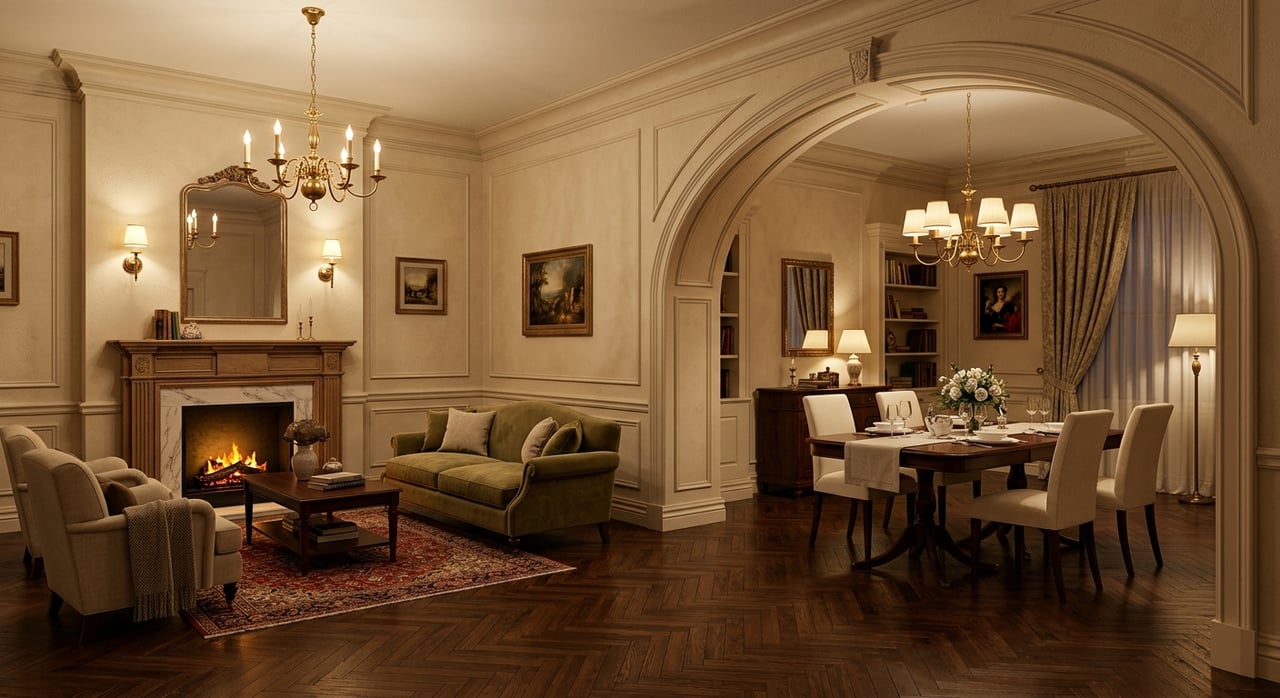
The living room often carries the emotional weight of the listing. Buyers want to understand how the room lives, how traffic flows, and whether the layout feels comfortable. In a prewar apartment, the goal is often to reveal details like trim, ceiling height, windows, and floor area that may be hidden by oversized furniture.
A dark, crowded room can feel much larger and brighter with fewer pieces, lighter textiles, and a more open arrangement. Clear circulation is key. Buyers should be able to imagine how they would move through the room without effort.
Primary bedroom
Bedrooms tend to perform best when they feel calm and spacious. A simpler palette, fewer accessories, and better furniture scaling can make a noticeable difference. Even a room with modest dimensions can feel more inviting when it is visually quiet.
On the Upper West Side, where buyers often compare multiple apartments with similar square footage, this matters. The bedroom should read as restful and functional, not cramped or overly personalized.
Kitchen
Kitchens shape value perception quickly. They do not always need a full renovation to feel more appealing. In many cases, fresh paint, clean cabinet fronts, updated hardware, and a simplified countertop presentation can create a cleaner, more move-in-ready impression.
That is especially important in Manhattan, where larger construction projects can add complexity, time, and disruption. For many sellers, cosmetic kitchen improvements offer a practical middle ground.
The best prep is often cosmetic
One of the most useful realities for Upper West Side sellers is that the highest-return preparation is often cosmetic, not structural. According to New York City Department of Buildings guidance, strictly cosmetic work such as painting does not require a permit. The same guidance lists painting, plastering, installing new cabinets, plumbing fixture replacement, and resurfacing floors as examples of work that does not require a permit.
That does not mean you can skip professional oversight. NYC also notes that contractors still need the relevant Department of Consumer and Worker Protection licensing for this type of work. For example, new kitchen cabinets do not require a permit, but the contractor must have a Home Improvement Contractor license.
Once work goes beyond cosmetics, the process often becomes more involved. DOB states that most construction requires permits, plumbing that alters piping must be supervised by a Licensed Master Plumber and may require permits and inspections, and most electrical work requires an electrical permit and a DOB-licensed electrical contractor.
In occupied buildings, there may be additional requirements. DOB notes that some work can require a Tenant Protection Plan with dust and noise controls. For sellers who want a smoother path to market, this is one reason small refreshes often make more sense than major renovation.
Property-specific staging strategies
Upper West Side listings are not all alike. The right staging plan should reflect the property type, condition, and likely buyer expectations.
Prewar co-ops
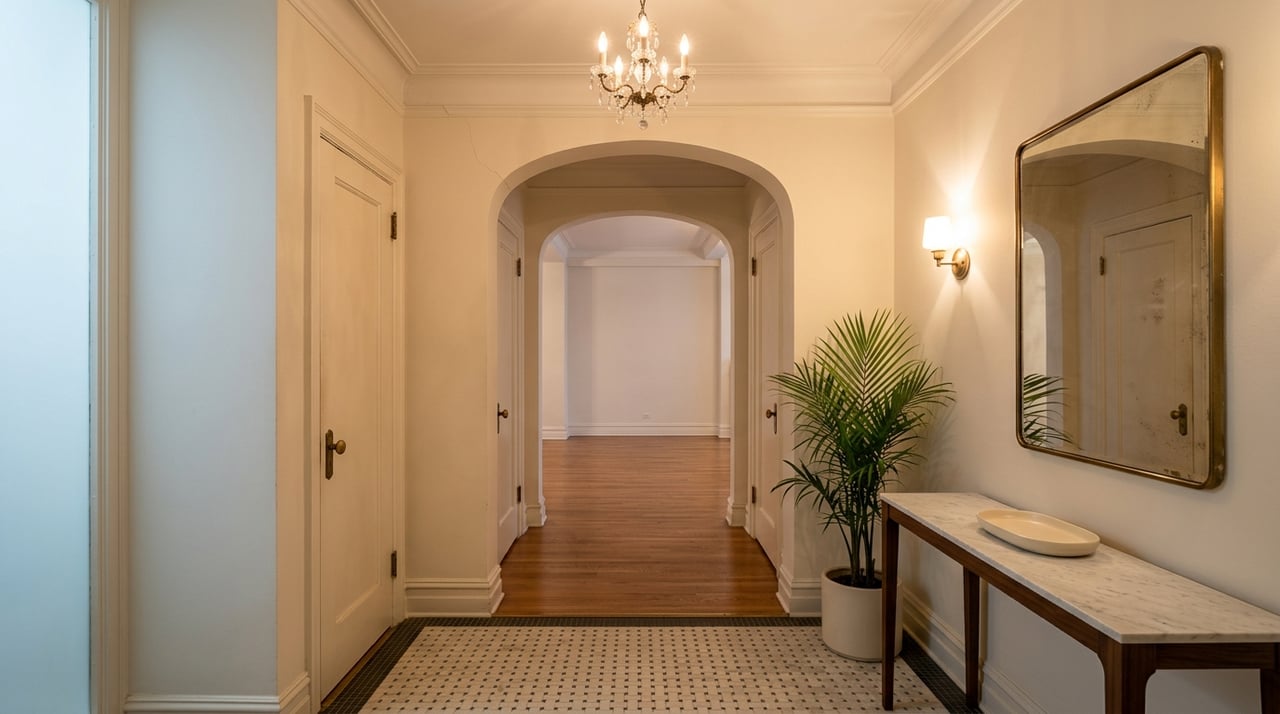
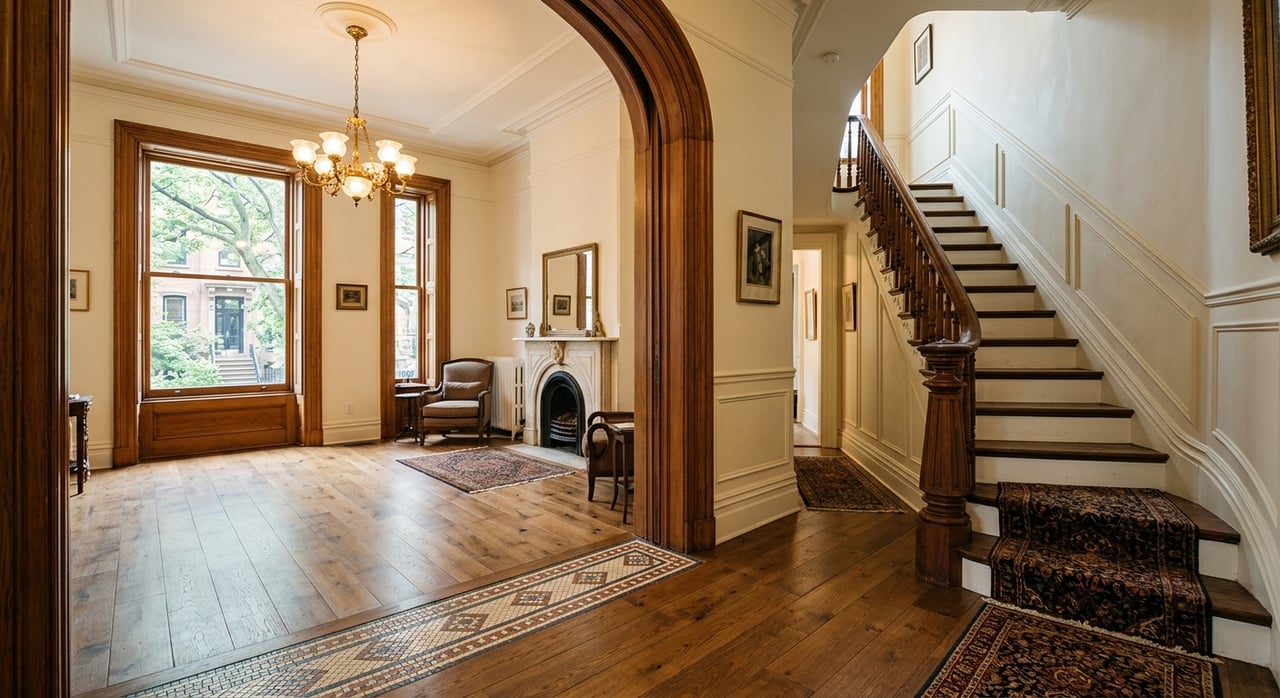
For prewar co-ops, staging works best when it sharpens the apartment's proportions and highlights original detail. Neutral paint, decluttering, and furniture scaled to the room can help buyers understand the layout more easily. This is particularly valuable in older homes where charm is a major asset, but visual heaviness can blur the space.
The goal is not to strip away personality entirely. It is to create a cleaner frame around the apartment's best features, whether that is moldings, hardwood floors, ceiling height, or gracious room flow.
Condos
Condo buyers often respond strongly to a crisp, turnkey presentation. Since photos, videos, and virtual tours rank highly with buyers, a polished visual presentation matters even more. Every room should feel clean, current, and easy to understand on screen.
In practice, that usually means a lighter touch with styling, strong editing, and an emphasis on brightness and simplicity. The apartment should feel ready for immediate enjoyment.
Estate or relocation listings
For occupied estate or relocation situations, efficiency matters. If the seller wants to prioritize only a few areas, the living room, primary bedroom, and kitchen are the most strategic places to start based on the staging data. That allows you to focus effort where buyer perception is likely to be shaped first.
This can be especially helpful when timing is tight or the seller wants to minimize disruption. A curated, room-by-room plan often delivers the best balance of impact and practicality.
Historic district rules can affect updates
The Upper West Side includes properties within major designated historic districts, including the Upper West Side/Central Park West Historic District. If you are considering any exterior-facing work, it is important to confirm what review may be required before making plans.
The New York City Landmarks Preservation Commission states that most exterior changes to buildings in historic districts require review. Ordinary repairs, such as replacing broken window glass or repainting a building exterior to match the existing color, do not require approval.
For interiors, LPC says review is usually not required unless the work needs a DOB permit or affects the exterior. This is another reason staging and cosmetic interior refreshes are often the more practical path for sellers preparing to list.
If a seller does move forward with qualifying exterior work, LPC offers a Permit for Minor Work for certain projects, and complete applications can often be approved within 10 business days. On the contractor side, DOB also says contractors need their Home Improvement Contractor license number for alteration filings on co-op and condo units.
Staging helps buyers read the home faster
In a premium Manhattan market, buyers move quickly from impression to judgment. They want to know whether a home feels bright, functional, cared for, and worth a closer look. Staging helps answer those questions without asking buyers to do too much mental work.
That is why staging is often less about decorating and more about translation. It translates the apartment's potential into something buyers can understand right away, especially in photos and first showings.
NAR's 2025 report also found that 17% of buyers' agents believed staging increased the dollar value offered by 1% to 5%, while 30% of sellers' agents said staging produced slight decreases in time on market. It is not a guarantee, but it does support the idea that presentation can influence both buyer response and sale efficiency.
The same report found a median spend of $1,500 when a staging service was used and $500 when the seller's agent personally staged. In the context of Upper West Side pricing, that can be a relatively modest preparation cost for meaningful marketing impact.
A smarter approach than over-renovating
Many sellers assume they need a large renovation to compete. On the Upper West Side, that is often not the best answer. Major work can trigger permits, inspections, building coordination, and more disruption than the eventual return justifies.
A smarter strategy is usually selective improvement paired with polished presentation. Fresh paint, floor resurfacing, simplified styling, cleaner sight lines, and stronger photography often do more for a listing than expensive work that delays the launch.
That approach also fits the neighborhood. In a market known for classic co-ops, historic buildings, and discerning buyers, careful editing often outperforms dramatic change. You want the home to feel elevated, clear, and easy to connect with.
If you are preparing to sell on the Upper West Side, the right staging plan can make your listing feel more spacious, more polished, and more market-ready without unnecessary upheaval. For a tailored strategy and complimentary valuation, connect with The Schier Cloonan Team.
FAQs
What does staging do for an Upper West Side apartment sale?
- Staging helps buyers visualize the home more easily, improves how rooms read in photos and showings, and can make scale, light, and condition clearer.
Which rooms matter most when staging an Upper West Side listing?
- The living room, primary bedroom, and kitchen are the most important rooms to prioritize based on NAR's 2025 home staging survey.
Does cosmetic work in New York City usually require a permit?
- According to NYC Department of Buildings guidance, strictly cosmetic work such as painting, plastering, installing new cabinets, plumbing fixture replacement, and resurfacing floors generally does not require a permit.
Do Upper West Side historic district rules affect seller updates?
- They can, especially for exterior-facing changes, because LPC says most exterior work in historic districts requires review, while many interior updates usually do not unless they require a DOB permit or affect the exterior.
Is staging worth it for a prewar co-op on the Upper West Side?
- It often is, because prewar homes benefit from staging that clarifies room proportions, highlights original details, and reduces visual clutter that can make spaces feel smaller or darker.