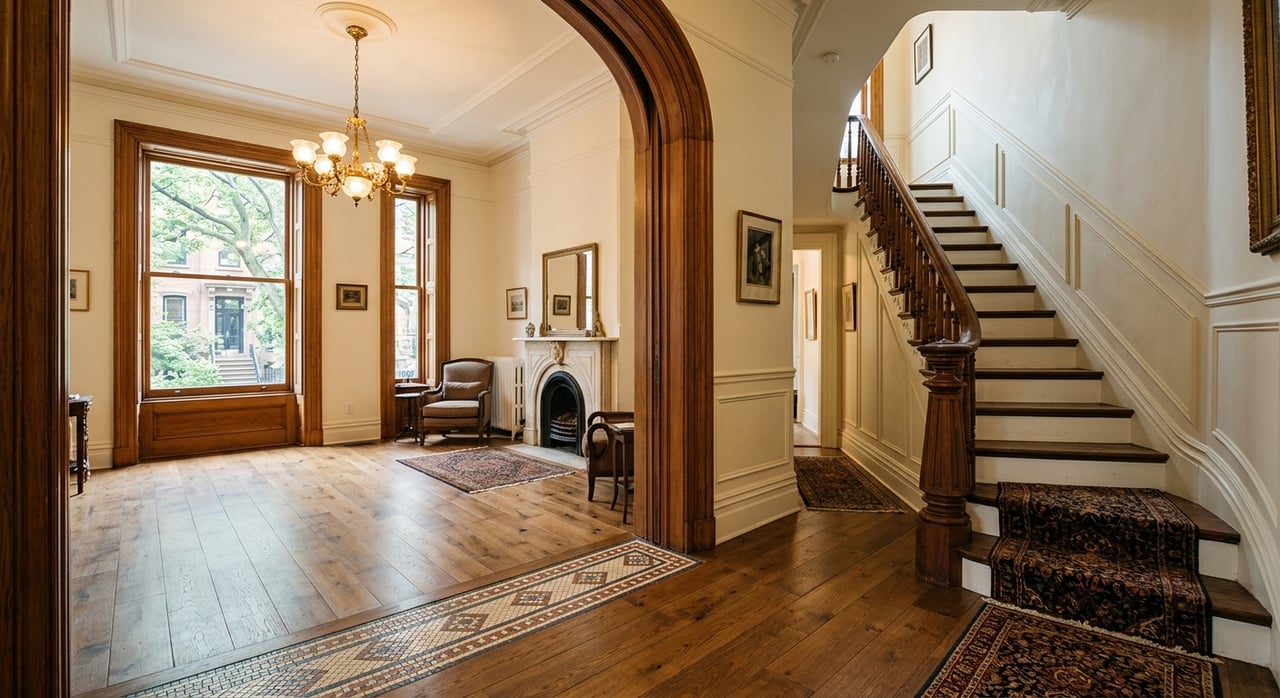
Choosing between a condo and a co-op in the West Village is rarely as simple as picking the prettier kitchen. In this part of Manhattan, the building itself, its rules, and even its historic status can shape your ownership experience as much as the apartment’s layout. If you are weighing both options, this guide will help you compare how condos and co-ops work in the West Village, what the price gap can mean, and which questions matter most before you buy. Let’s dive in.
West Village housing stock matters
The West Village has an unusually varied housing mix, and that makes condo versus co-op decisions more nuanced here than in some other Manhattan neighborhoods. According to the New York City Department of City Planning, the Far West Village includes converted loft buildings, 19th-century row houses, the West Village Houses complex, and newer residential buildings.
That variety affects what you may be buying into. Some properties sit in areas shaped by contextual zoning meant to keep new development consistent with neighborhood scale, while historic district rules can also influence what changes are possible over time. For you as a buyer, that means a building’s form, age, and oversight can be just as important as finishes and square footage.
What you own in a co-op
When you buy a co-op, you are not buying real property in the same way you do in a condo. You purchase shares in a corporation and receive a proprietary lease for your apartment, according to the New York State Attorney General.
Your monthly charges are typically maintenance charges based on your share allocation. The building’s bylaws, proprietary lease, certificate of incorporation, and house rules commonly govern important issues such as subletting and other internal rules. In practical terms, your day-to-day ownership experience is often closely tied to the building’s governing documents.
What you own in a condo
When you buy a condo, you own the unit itself and also hold an interest in the building’s common elements. You pay common charges, and the unit is separately taxed and may be separately mortgaged, based on New York State offering-plan regulations.
Those same regulations state that, where applicable, the board does not have the right to approve or disapprove purchasers and there is no limit on investment buyers. That legal structure often gives condo ownership a different feel from co-op ownership, especially if flexibility matters to you.
How condo and co-op rules differ
In broad terms, co-ops often feel more rule-bound, while condos tend to allow more flexibility around resale and occupancy. That is a practical takeaway from the legal framework, though it is not a universal rule for every building.
For many buyers, this becomes one of the most important filters. If you want a home primarily for long-term personal use and you are comfortable with a more structured approval environment, a co-op may fit. If you value greater freedom for future resale, financing structure, or subletting potential, a condo may deserve a closer look.
West Village price differences
Pricing in the West Village can look dramatically different between condos and co-ops. PropertyShark reported that in April 2026, the West Village median sale price overall was $1.8 million, with a median price per square foot of $2,498.
Looking at property type, condos had a median sale price of $2.6 million and a median of $2,000 per square foot, while co-ops had a median sale price of $1.5 million and a median of $1,000 per square foot. In that snapshot, condo median pricing was about 73% higher than co-op median pricing, and the median price per square foot was roughly double.
That said, the gap is not explained by ownership form alone. Apartment mix, unit size, building age, and exact location within the West Village all help shape those numbers. A buyer comparing options should treat neighborhood-wide medians as a starting point, not a final answer.
Why the price gap is not the whole story
A less expensive co-op is not automatically the better value, and a higher-priced condo is not automatically the better long-term play. In the West Village, the difference may reflect whether you are looking at a prewar building, a conversion, or a newer development.
It may also reflect how much of the price is tied to architecture, building condition, and neighborhood character. In a location where block-by-block differences matter, the better question is often not, “Are condos better than co-ops?” but “Which specific building offers the ownership experience I want?”
Buying costs to understand
Closing and ownership costs can differ depending on the property and financing. New York City’s Real Property Transfer Tax applies to transfers of individual residential condominium units and individual cooperative apartments.
New York City mortgage recording tax also applies when mortgages are recorded on property in the city. In addition, eligible co-op and condo developments may receive the Cooperative and Condominium Property Tax Abatement, and the board or authorized agent applies on behalf of the development rather than individual unit owners filing on their own.
Building condition can outweigh ownership type
In the West Village, building condition is often a major part of the decision. The New York State Attorney General identifies facade defects, pointing, roof repairs, elevator repairs, plumbing replacement, and electrical upgrades as common costly issues in existing buildings.
That matters because many West Village properties are older or converted. An apartment may show beautifully during a tour, but the larger building systems can have a meaningful impact on your future costs and overall ownership experience.
Historic district rules in the West Village
Historic and landmark rules can also affect how a building operates and what changes are possible. According to the Landmarks Preservation Commission, permits may be needed in landmarked or historic-district buildings for exterior work and, in some cases, for interior work that affects the exterior, even when a Department of Buildings permit would not be required.
For you, this adds another layer of due diligence. If you are considering a building with landmark status or a location in a historic district, it is wise to ask what future renovation or alteration options may still be subject to board, sponsor, or LPC oversight.
What to review before you buy
Whether you are leaning condo or co-op, document review is essential. The Attorney General recommends reviewing the full offering plan, prior board minutes, and financial reports for existing buildings and conversions.
These materials can reveal planned assessments, defects, unresolved repair items, or sponsor obligations. For condos, boards must keep the declaration, bylaws, floor plans, and rules available for inspection, which can make it easier to compare one building against another.
Questions to ask on every tour
A smart West Village search usually comes down to asking better questions early. As you compare condos and co-ops, focus on the building as much as the apartment.
Here are a few useful questions to keep in mind:
- What are the building’s rules around subletting and resale?
- How much board scrutiny should I expect in this building?
- Are there planned repairs or assessments on the horizon?
- What building systems have already been updated?
- Are any amenities or finishes documented in the offering plan?
- Is the building landmarked or located in a historic district?
- What approvals may be needed for future work?
Which option may fit your goals
A co-op may appeal to you if you are focused on value, plan to use the apartment as a primary residence, and are comfortable with a more structured ownership environment. In the West Village, that can open the door to homes at a lower median entry point than many condos.
A condo may be a better fit if flexibility is higher on your list. If you want simpler financing structure, potentially fewer purchase approval barriers, or more optionality around future occupancy and resale, the condo model may align more closely with your plans.
The West Village decision is building by building
In the end, buying in the West Village is rarely about choosing a category in the abstract. It is about understanding how ownership structure, building condition, and neighborhood regulations come together in one very specific property.
That is where a curated, building-by-building approach can make all the difference. If you are comparing West Village condos and co-ops and want clear guidance grounded in Manhattan experience, The Schier Cloonan Team can help you evaluate the details with care and confidence.
FAQs
What is the difference between owning a West Village condo and a West Village co-op?
- In a West Village co-op, you buy shares in a corporation and receive a proprietary lease. In a West Village condo, you own the unit itself, pay common charges, and own an interest in the common elements.
Are West Village condos more expensive than West Village co-ops?
- Based on an April 2026 PropertyShark snapshot, West Village condos had a median sale price of $2.6 million, while co-ops had a median sale price of $1.5 million. The difference can also reflect unit mix, building age, size, and location.
Do West Village co-ops have stricter rules than West Village condos?
- They often do, because co-op ownership is governed by corporate documents and house rules that commonly control issues such as subletting and internal policies. Still, each building should be evaluated individually.
What documents should buyers review for a West Village condo or co-op?
- Buyers should review the offering plan, financial reports, and prior board minutes for existing buildings and conversions. For condos, governing documents such as the declaration, bylaws, floor plans, and rules should also be available for inspection.
How do historic district rules affect West Village apartment buyers?
- In landmarked or historic-district buildings, LPC permits may be required for many exterior changes and some interior work that affects the exterior. That can affect future renovation plans and should be part of your due diligence.
What matters most when comparing West Village condos and co-ops?
- The key factors are usually your comfort with board oversight, your need for future flexibility, the building’s condition, and any historic or landmark restrictions. In the West Village, the specific building often matters more than the label alone.