Wondering whether Park Slope really lives up to its family-friendly reputation? For many buyers and relocators, the answer depends less on the headline and more on the details of daily life: how school planning works, how far the park is from your block, and whether your building setup fits strollers, groceries, and busy weekdays. This guide walks you through the practical side of family life in Park Slope so you can make a more confident move. Let’s dive in.
What Family Life Looks Like in Park Slope
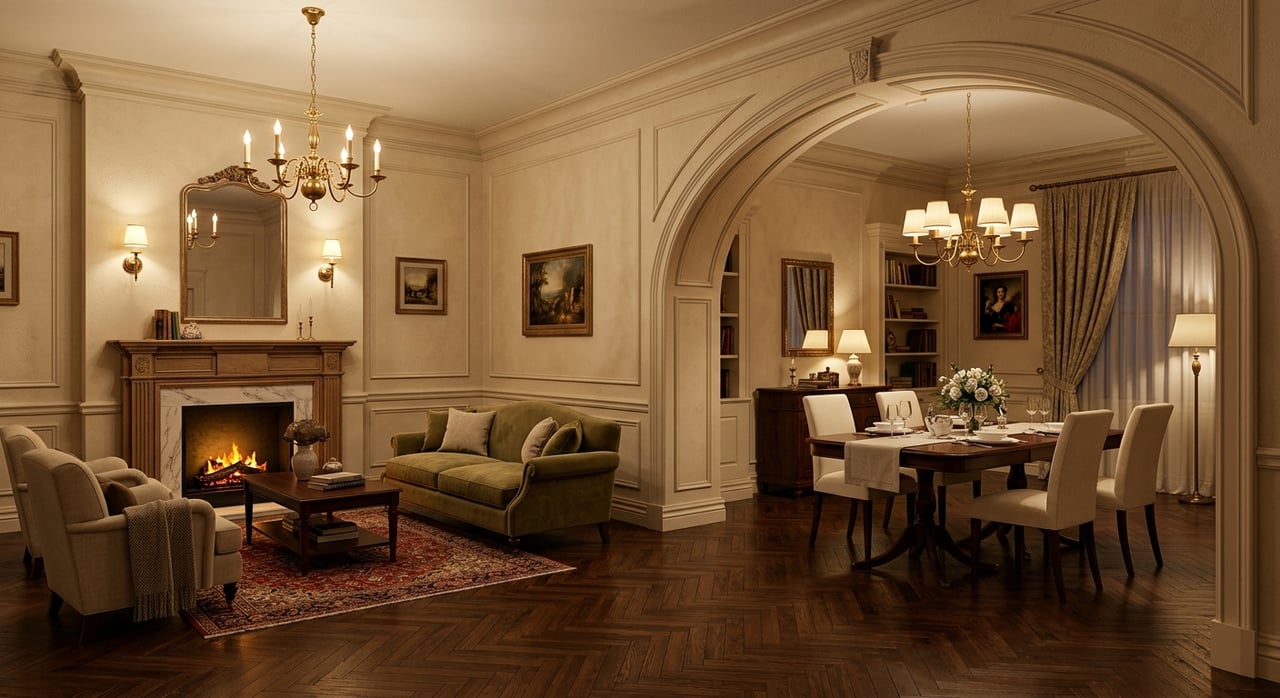
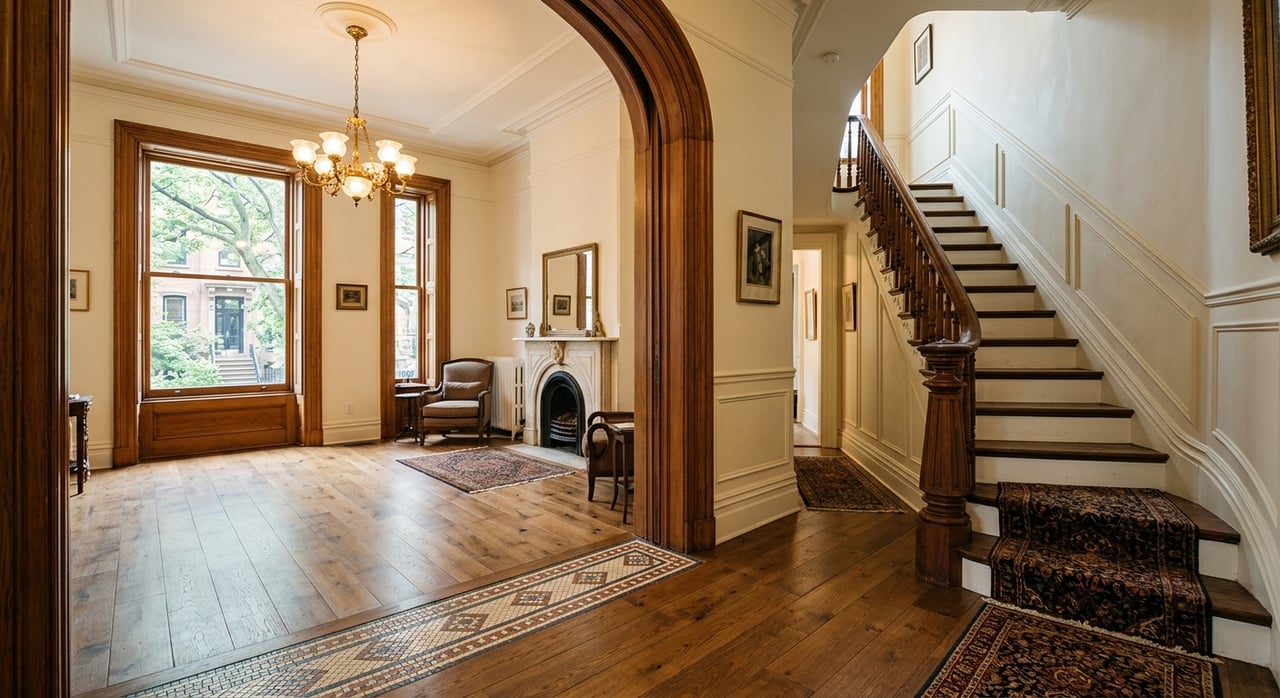
Park Slope is known for its tree-lined, primarily residential streets and its mix of historic housing types. According to the New York City Landmarks Preservation Commission, the neighborhood developed largely in the late 19th and early 20th centuries, with masonry row houses, flats buildings, apartment houses, carriage houses or garages, and churches shaping the streetscape.
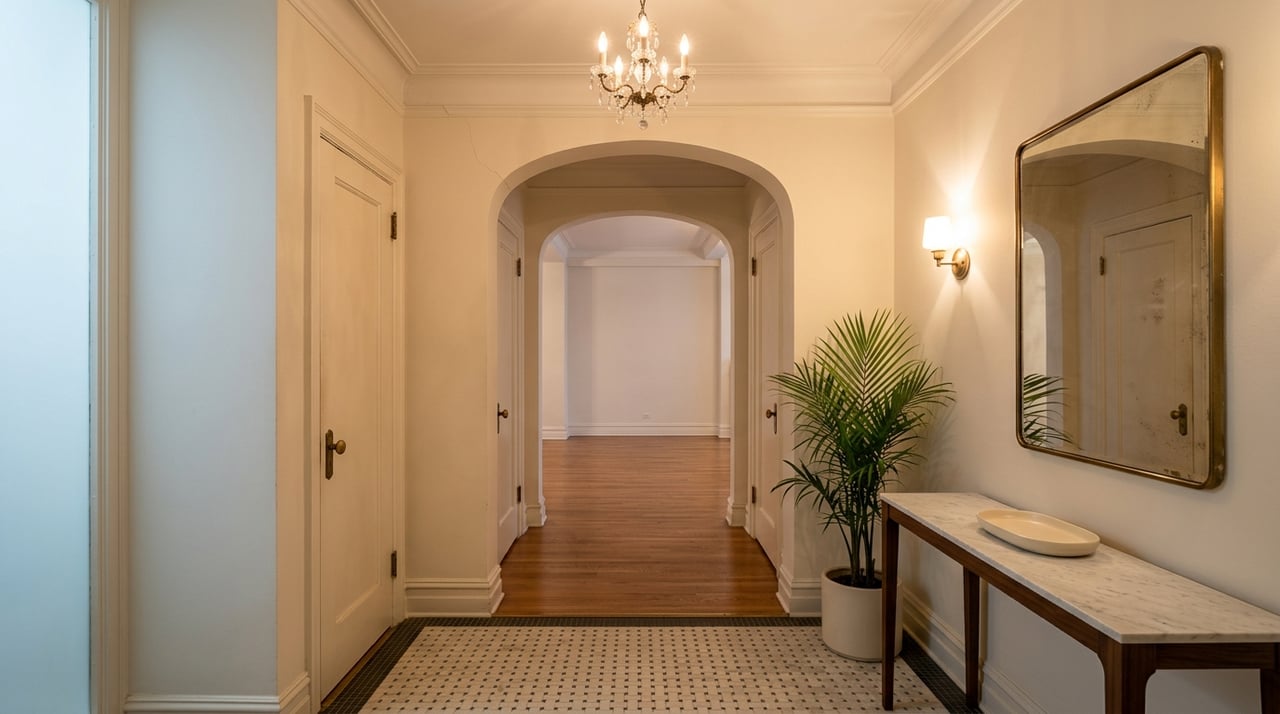
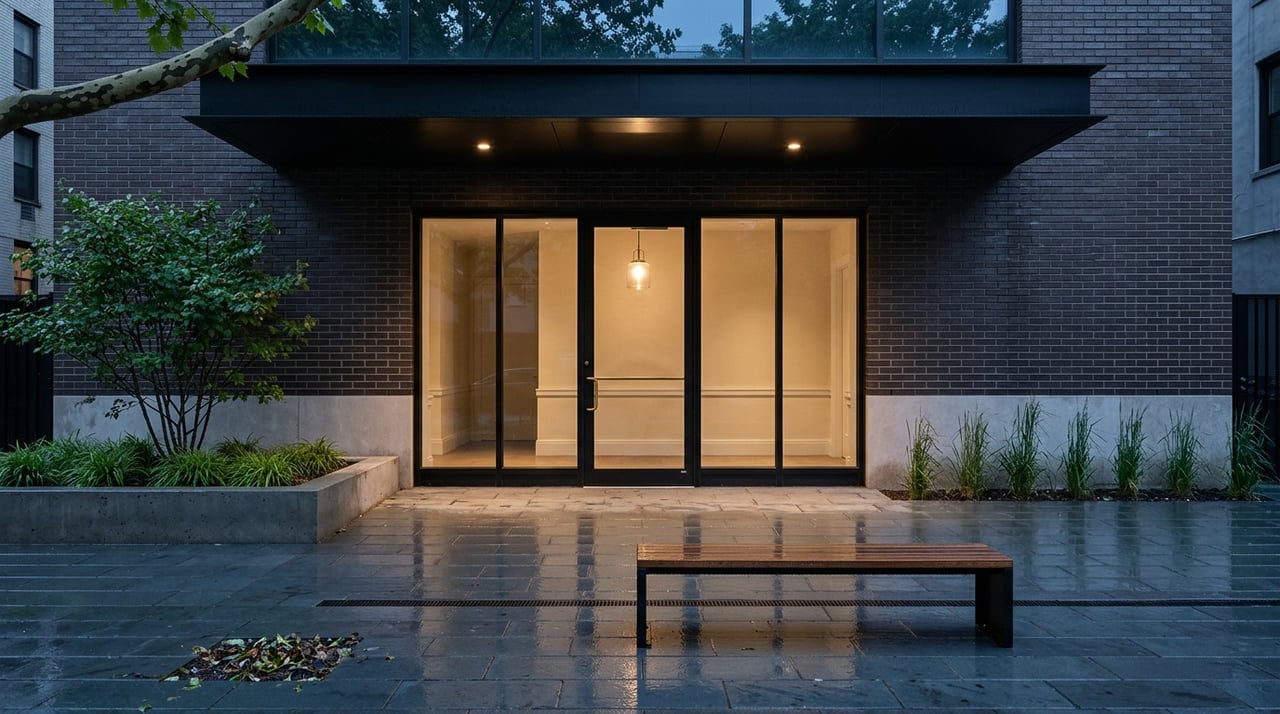
For families, that historic character often comes with practical tradeoffs. Your day-to-day experience may depend on whether you choose a townhouse, a walk-up apartment, or an elevator building, especially if you are thinking about stroller access, storage, or carrying groceries up stairs.
The neighborhood’s appeal also ties closely to Prospect Park and transit access. That combination helps support a car-light routine for many households, though the right fit often comes down to your exact block, building type, and school plan.
Schools in Park Slope
School Planning Is Address Specific
If you are considering Park Slope for your family, the most important first step is to treat school planning as address specific. The New York City Department of Education says families can enter an address in School Search or call 311 to find zoned schools, and MySchools is the city’s application portal for public schools.
That matters because you should not assume that one Park Slope address works the same as another. A few blocks can change your zoned elementary school, and middle school admissions in District 15 should be reviewed carefully through MySchools.
Public School Options Nearby
Families commonly look at several District 15 public schools in and around Park Slope, including:
- P.S. 321 William Penn, PK-5, 180 7 Avenue
- P.S. 39 Henry Bristow, K-5, 417 6 Avenue
- P.S. 107 John W. Kimball, PK-5, 1301 8 Avenue
- New Voices School of Academic & Creative Arts, grades 6-8, 330 18 Street
- Park Slope Collegiate, grades 6-12, 237 7 Avenue
The DOE also notes that District 15 middle schools participate in districtwide diversity initiatives. In practical terms, that means middle school planning should be verified in MySchools rather than inferred from an elementary school zone alone.
Independent and Other School Options
Park Slope also includes independent and faith-based school options that some families consider as part of their broader planning. Berkeley Carroll School serves PreK through 12th grade and has campuses at 701 and 712 Carroll Street and 181 Lincoln Place. The school says it serves close to 1,000 students and offers student bus service.
Saint Saviour Catholic Academy is another local option, serving Nursery through Grade 8 at 701 Eighth Avenue. The academy lists early-morning drop-off and transportation support through yellow bus or Student OMNY card service.
Accessibility Matters by Campus
Accessibility can vary from one school building to another. For example, the DOE page for P.S. 321 notes that the building is fully accessible.
If stroller access or mobility access is important to your household, it is smart to check each campus individually. That extra step can make a real difference in your daily routine.
Parks and Outdoor Time
Prospect Park Anchors Daily Life
Prospect Park is one of Park Slope’s biggest draws for families. Prospect Park Alliance describes it as a 585-acre oasis that includes Brooklyn’s only forest, Brooklyn’s only lake, and seven playgrounds.
That scale shapes the rhythm of the neighborhood. For many families, the park is not just a weekend destination. It becomes part of the weekly routine for walks, playtime, scooter rides, running, and outdoor breaks between school and dinner.
Playgrounds and Family Destinations
The park offers a wide range of destinations that work for different ages and schedules. Prospect Park Alliance highlights places such as the Ravine, Long Meadow, the LeFrak Center at Lakeside, and the Prospect Park Tennis Center.
Seasonal water-play areas are another popular feature. The Alliance lists Third Street Playground, Harmony Playground, Vanderbilt Playground, Imagination Playground, and Lincoln Road Playground as part of the park’s water-play network.
NYC Parks also identifies multiple Prospect Park playgrounds and notes that some are accessible and sensory-friendly. If that is important for your family, it is worth checking individual playground details before choosing your go-to spots.
Nearby Family Attractions
Beyond the park itself, families also have access to nearby destinations that can round out weekend plans. Prospect Park Zoo says it spans 14 acres within Prospect Park and includes nearly 400 animals across 150 species, with a layout designed for close-up viewing that works well for young children.
Brooklyn Botanic Garden is another major nearby resource. Its Children’s Garden offers hands-on programs for children ages 2 to 13, along with family gardening hours.
Libraries and Civic Resources
The library system is another practical advantage for families in Park Slope. Park Slope Library, located at 431 6th Avenue, is fully accessible and served by the F, G, and R trains.
The branch also lists Youth and Family among its services, and its calendar includes recurring teen tutoring and family-oriented programming. For many households, that makes the library more than a place to borrow books. It becomes a regular part of after-school and weekend life.
Central Library at Grand Army Plaza adds another major civic resource nearby. As Brooklyn Public Library’s largest facility and system hub, it expands the range of programs, collections, and services within easy reach.
Transit and Everyday Logistics
Subway Access by Section of Park Slope
Transit is one of Park Slope’s strongest practical advantages. MTA maps show F and G train access at 7 Av and 15 St-Prospect Park, R train service at 4 Av-9 Sts, Union St, Prospect Av, and 25 St, and 2 and 3 train service at Grand Army Plaza.
For day-to-day living, that means convenience can vary by section of the neighborhood. In general, north and west Park Slope align more closely with the F and G pattern, while eastern and southeastern edges rely more on the R or Grand Army Plaza service.
Car-Light Living Is Possible
Many households moving from Manhattan or elsewhere in the city want to know whether they can keep a mostly car-free routine. Based on the neighborhood’s housing mix, park access, school network, library resources, and subway access, Park Slope can support that kind of lifestyle.
The real question is usually how you want to balance transit convenience with housing style and school planning. Some buyers may prefer a shorter walk to the train, while others may prioritize a certain building setup or proximity to Prospect Park.
Choosing the Right Block for Your Family
In Park Slope, family fit is often block specific. Two homes may share the same neighborhood name but feel very different depending on school zoning, subway access, park proximity, and whether the building is a row house, walk-up, or elevator apartment.
That is why a neighborhood search here benefits from a more tailored approach. Instead of asking whether Park Slope is good for families in general, it is more useful to ask which part of Park Slope supports your routine best.
A thoughtful search often includes questions like these:
- How important is address-specific school planning?
- Do you want quick access to Prospect Park for daily use?
- Would a walk-up work for your household, or do you prefer elevator access?
- Which subway line would make your commute easier?
- Do library access and nearby family programming matter for your week-to-week routine?
When you look at the neighborhood through that lens, Park Slope becomes easier to evaluate in a realistic way. You are not just choosing a neighborhood. You are choosing the version of daily life that fits your household.
If you are weighing Park Slope as part of a broader Brooklyn or New York City move, working with an experienced team can help you compare blocks, building types, and lifestyle tradeoffs with more clarity. For a discreet, concierge-level approach to your next move, connect with The Schier Cloonan Team.
FAQs
How do public school zones work in Park Slope?
- Public school placement in Park Slope is address specific. The New York City Department of Education says families should use School Search or call 311 for zoned school information, and use MySchools for applications.
What public schools do families often consider in Park Slope?
- Families commonly consider District 15 schools such as P.S. 321 William Penn, P.S. 39 Henry Bristow, P.S. 107 John W. Kimball, New Voices School of Academic & Creative Arts, and Park Slope Collegiate.
What makes Prospect Park important for Park Slope families?
- Prospect Park offers 585 acres of outdoor space, including Brooklyn’s only forest, Brooklyn’s only lake, seven playgrounds, and a 3.36-mile Park Drive loop for walking, running, scootering, and cycling.
Are there family-friendly activities near Park Slope besides the park?
- Yes. Nearby resources include Prospect Park Zoo, which features nearly 400 animals across 150 species, Brooklyn Botanic Garden’s Children’s Garden, Park Slope Library, and Central Library at Grand Army Plaza.
Is Park Slope convenient for subway commuting?
- Yes, but convenience is block specific. Depending on where you live, you may be closest to the F, G, R, 2, or 3 trains, so commute patterns can vary within the neighborhood.
What housing features should families think about in Park Slope?
- Because Park Slope’s housing stock includes older row houses, flats buildings, and apartment houses, many families focus on practical details like stairs, storage, stroller access, and whether a building has an elevator.