What does a Tuesday feel like on the Upper West Side? Picture an early run along the Reservoir, a quick coffee on Columbus, and a smooth subway hop to Midtown. If you’re weighing a move, you want the real daily rhythm, not just the brochure version. Here’s a clear, on-the-ground look at parks, commutes, food, culture, housing, and practical tips so you can decide if the UWS fits your life. Let’s dive in.
Morning starts in the parks
You’ll feel the neighborhood wake up along Central Park and Riverside Park. Runners and dog walkers loop the Reservoir and drift past playgrounds before work. Riverside is a bit quieter, with bike and running lanes and wide Hudson River views at sunset later in the day.
On weekends, families head to Sheep Meadow and playgrounds, and you may catch seasonal programming in Central Park. In summer, outdoor events draw crowds; winter shifts the action to museums and local cafes. Either way, the parks serve as your daily backyard.
Coffee, errands, and shopping
Errands are easy to stack into a single walk. Broadway is the commercial spine with pharmacies, hardware stores, and household shops. Columbus and Amsterdam Avenues are lined with cafes, bakeries, and neighborhood restaurants that keep steady foot traffic.
Grocery options span local staples and national chains. You’ll find beloved specialty markets and deli/cheese shops, plus Trader Joe’s and Whole Foods on different blocks. Neighborhood icons like Zabar’s anchor food culture with prepared foods and pantry staples that make weeknight dinners simple.
Getting around the city
The UWS is built for transit. Along Broadway, the 1/2/3 lines connect you north-south with frequent service. Along Central Park West, the B/C lines give you easy access to the park and Museum Mile areas.
Typical ride times to Midtown can range from about 5 to 15 minutes depending on your station and service. Getting to Lower Manhattan often runs 20 to 35 minutes on express/local combinations. Crosstown movement is helped by key bus routes, especially the M79 and 86th Street buses to reach the East Side.
If you plan to drive, know that parking is regulated and garages are costly. Many residents choose walking, biking, transit, or car-share services for convenience.
Culture after work and weekends
Cultural life is woven into daily routines here. The American Museum of Natural History and the New-York Historical Society sit along Central Park West, while Lincoln Center anchors the south end with the Metropolitan Opera, New York City Ballet, and the NY Philharmonic. Seasonal programs and film events keep the calendar lively.
Evenings tend to be low-key away from the big venues. You’ll see diners on Columbus and Amsterdam, relaxed bars near Broadway, and moviegoers heading to theaters. It’s vibrant without being overwhelming.
Dining and neighborhood flavor
You can eat casual or refined without leaving the neighborhood. Expect classic delis, bakeries, brunch spots, neighborhood Italian, and comfort food favorites. The area leans family-friendly, so you’ll find plenty of places where a stroller or a quick bite fits right in.
Nightlife concentrates near commercial corridors and Lincoln Center. If you prefer conversation-friendly spots, you’ll feel at home. If you want a late-night nightclub scene, you’ll likely head downtown.
Homes you’ll see on every block
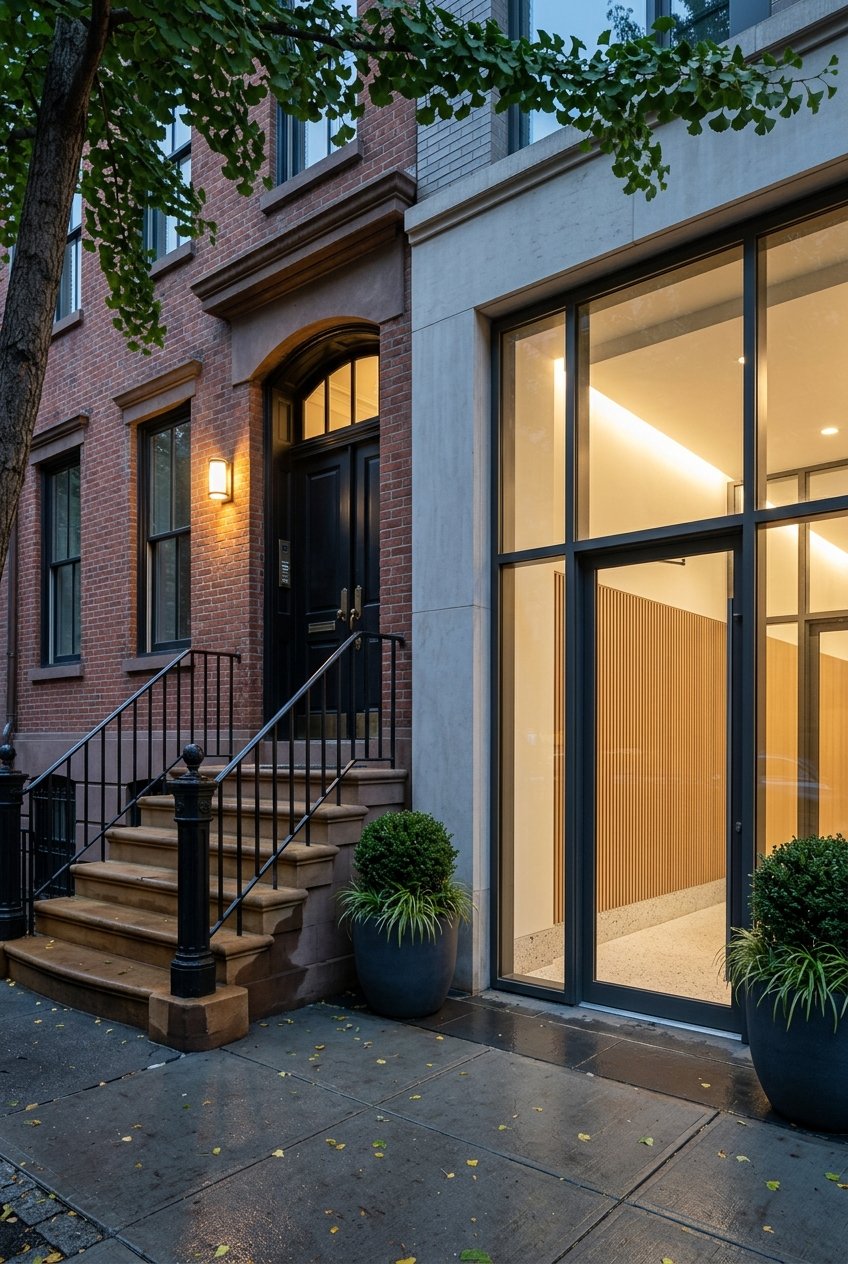
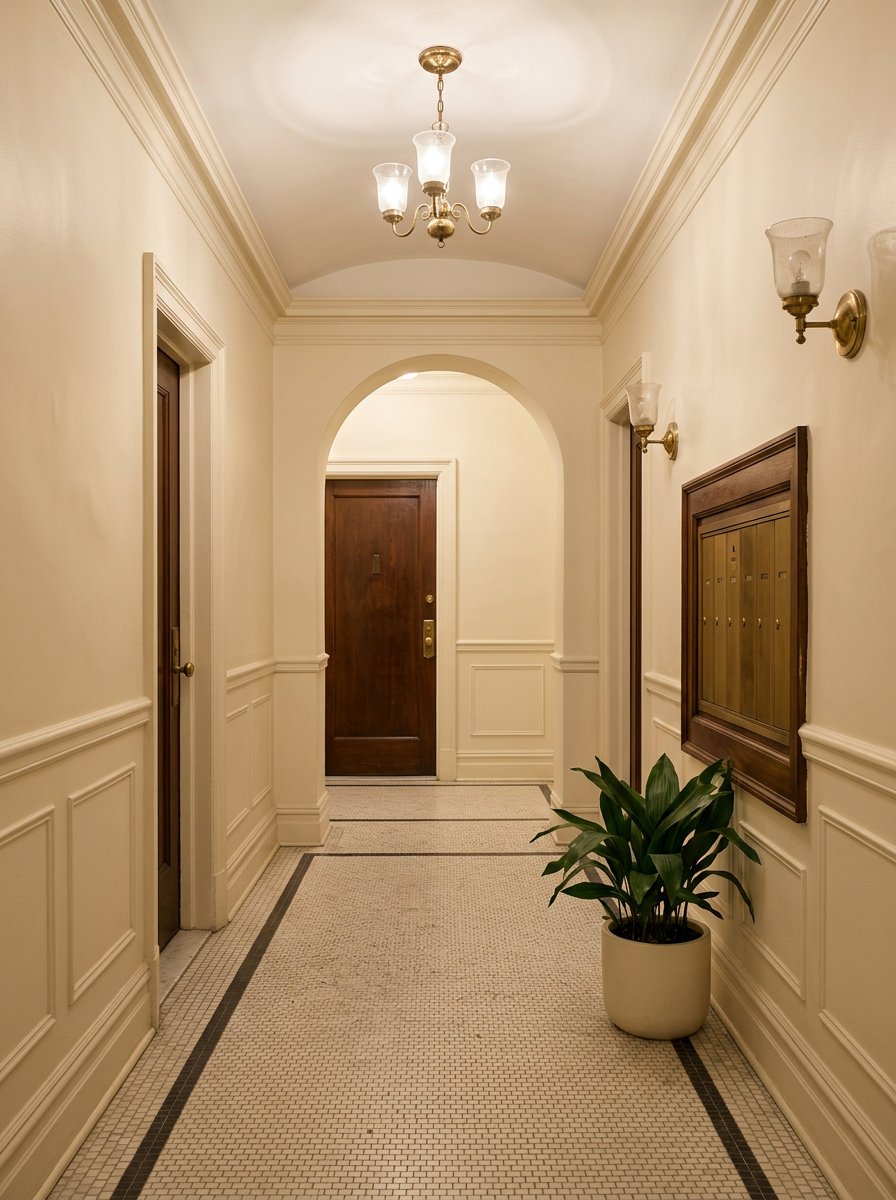
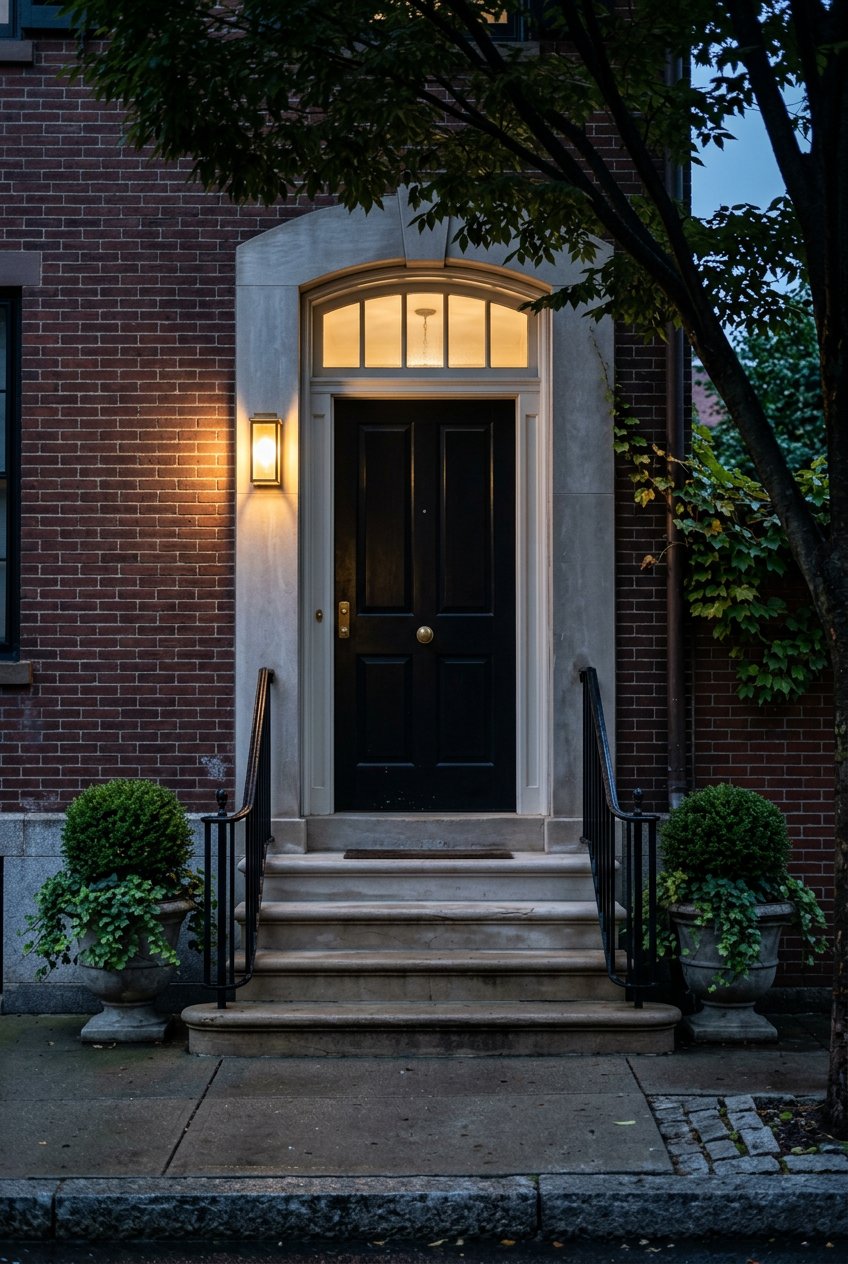
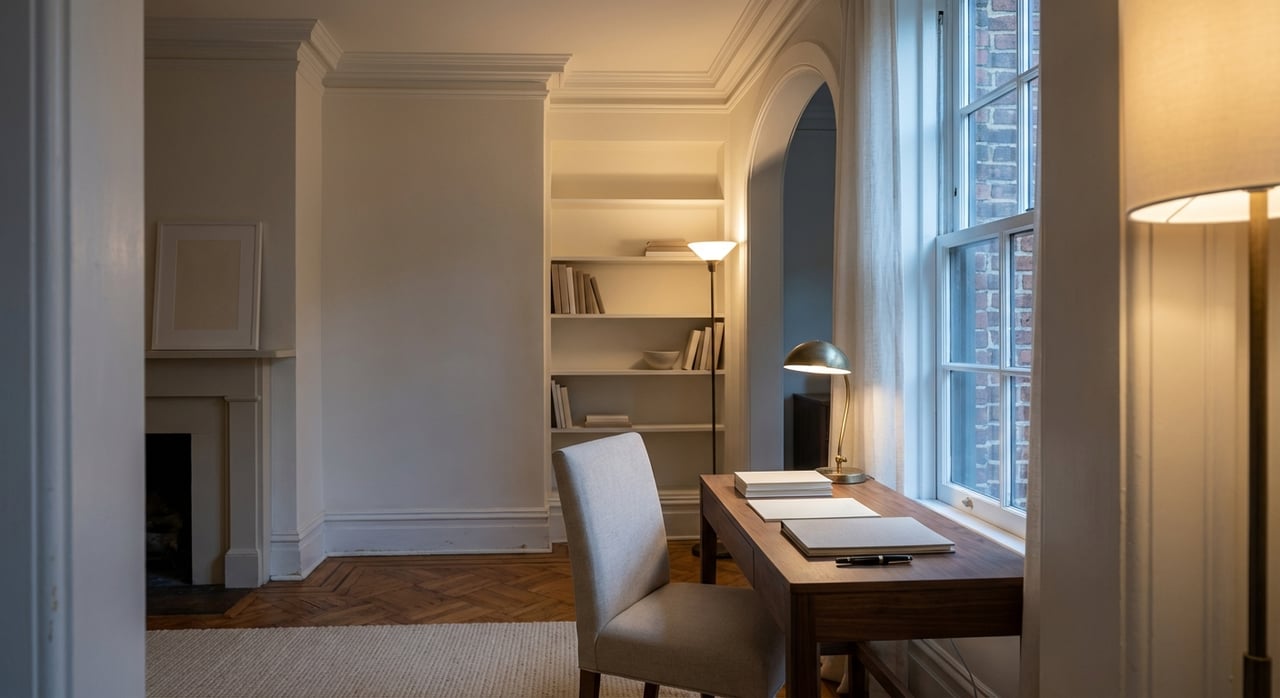
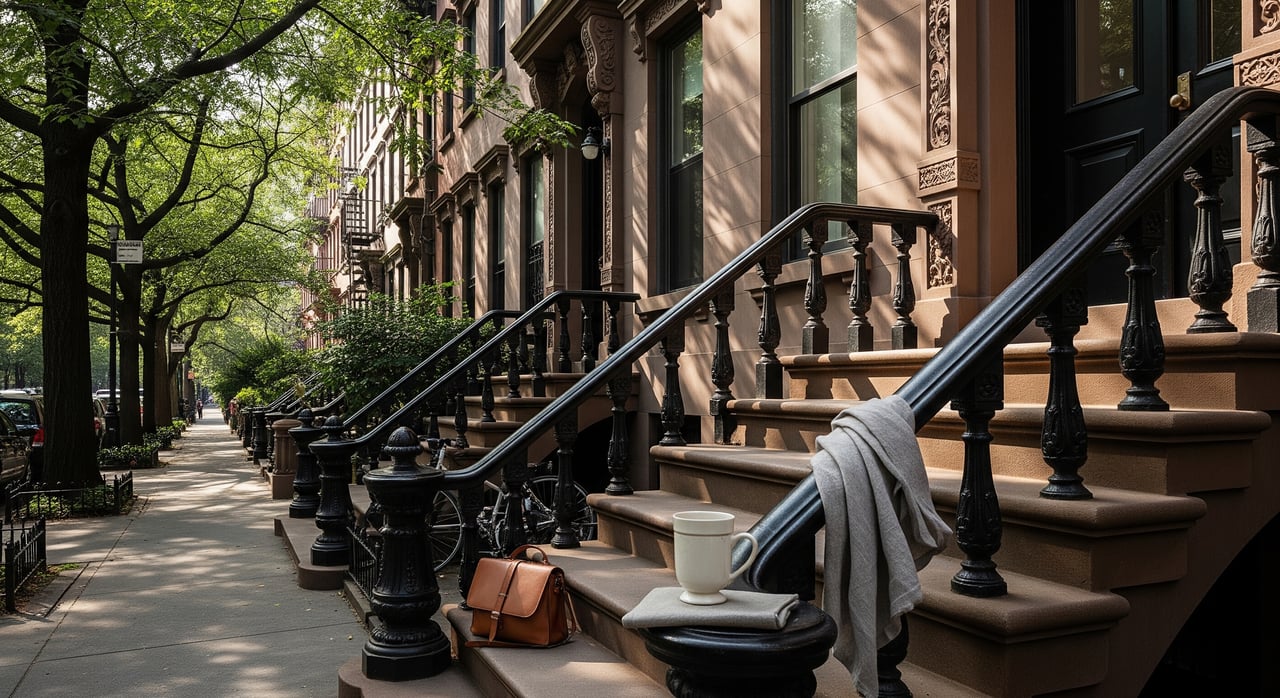
Architecture is part of the UWS’s character. Along Central Park West and on many side streets, you’ll find prewar co-op buildings with high ceilings and gracious layouts. Brownstone and rowhouse blocks add a historic, low-rise feel midblock, especially west of Broadway.
Condos and new developments appear in select corridors and tend to command premium pricing. The rental market is broad, from walk-ups and elevator buildings to full-service doorman properties. You’ll meet long-term residents, newer arrivals, and relocating professionals, all sharing the same sidewalks.
Co-op and condo essentials
Most buyers ask whether to choose a co-op or condo. In a co-op, you purchase shares in a corporation that owns the building. You’ll submit a board application and interview, and buildings often expect larger down payments and have rules on subletting or renovations. Monthly maintenance typically includes real estate taxes and some building-level costs.
In a condo, you own the unit itself with a homeowners association. Financing and resale are often simpler, and sublet policies tend to be more flexible. You’ll pay real estate taxes directly, and HOA fees cover building services. The right path depends on your financing, timeline, and intended use.
Prices and timing, 2023–2024
As of 2023–2024, plan with broad ranges and confirm current numbers with live listings. On the rental side, studios often land in the low-to-mid thousands per month, one-bedrooms in the mid-to-high thousands, and two-bedrooms in the upper-thousands to several thousands depending on building type and location. Larger or luxury rentals can be substantially higher.
For purchases, co-op one-bedrooms can span from the lower six figures into the mid six figures, with larger or renovated units reaching around the $1M mark or more. Two-bedrooms often range from about $1M into the low-to-mid millions, depending on condition and building. Renovated condos, new developments, townhouses, and prime parkfront or riverfront properties frequently trade in the multi-million-dollar range.
Supply and demand shift with interest rates, Manhattan-wide trends, and seasonality. Highly sought prewar blocks and park-proximate addresses often see tighter inventory and strong competition.
Everyday practicalities
The UWS is calmer than Midtown, yet you’ll still feel city energy near Lincoln Center, museums, and Broadway. Major crosstown streets carry bus and car traffic, so expect urban soundscapes.
If you have kids or pets, you’ll appreciate the parks, playgrounds, and dog runs in Riverside Park and near Central Park. Some buildings have pet rules, so it’s smart to verify policies early. Deliveries are a part of life; doorman buildings simplify package management, and walk-ups often have clear procedures.
Healthcare and everyday services are close at hand. You’ll find dentists, clinics, and easy access to major medical centers across Manhattan and to the north. Libraries and community centers add programs for adults and families.
Micro-neighborhoods and feel
Most locals think of the area as 59th Street to about 110th Street, from Central Park West or Columbus/Broadway to the Hudson River. The southern stretch near Lincoln Center feels more performance-driven and busy during show nights. Mid-70s to 80s blocks concentrate brunch spots, markets, and steady sidewalk life.
Farther north, near the 90s and up to 110th Street, you get a slightly quieter, classic residential feel with access to Morningside Heights and Columbia-adjacent culture. Riverside blocks bring greenery and sunsets; Central Park West brings museum access and prewar grandeur. Prices and pace can shift from avenue to avenue, so a few on-foot tours help you decide your ideal pocket.
Is the UWS right for you?
Choose the Upper West Side if you value park access, reliable transit, cultural depth, and a neighborhood that still feels neighborly. You’ll trade a bit of downtown’s late-night edge for calmer evenings and family-friendly energy.
For buyers, weigh co-op traditions against condo flexibility. For renters, line up your budget and must-haves, then compare block-by-block character. A local, data-informed strategy helps you secure the right home at the right moment.
Work with a trusted local team
You deserve guidance rooted in long-standing neighborhood relationships and a concierge approach. Our team pairs deep Upper West Side expertise with refined, results-driven service, including valuations, curated staging, board navigation, and seamless buyer representation. With over 2,000 transactions and $1.5B+ in closed sales, we bring measured confidence to every move.
Ready to talk next steps or confirm today’s numbers? Connect with The Schier Cloonan Team to request a complimentary home valuation or plan a focused search.
FAQs
What are the Upper West Side boundaries?
- Commonly considered from about 59th to 110th Street, and from Central Park West/Columbus/Broadway to the Hudson River, with micro-neighborhood shifts by block.
How long are UWS commutes to Midtown and downtown?
- Typical subway rides to Midtown can run about 5 to 15 minutes; to Lower Manhattan often 20 to 35 minutes, depending on station and service.
Which subway lines serve the Upper West Side?
- The 1/2/3 lines run along Broadway and the B/C lines run along Central Park West, with frequent service and useful crosstown buses at 79th and 86th streets.
What housing types are common on the UWS?
- You’ll see prewar co-ops, brownstones and rowhouses, a mix of elevator and doorman rentals, and select condos and new developments in key corridors.
How do co-ops differ from condos for buyers?
- Co-ops involve board approval and often larger down payments, with maintenance including taxes; condos offer more flexible subletting and separate real estate tax payments.
What do rents and prices look like in 2023–2024?
- Rentals often range from the low-to-mid thousands for studios to several thousands for larger units; purchase ranges vary widely from mid six figures into the multi-millions by size, condition, and location.
Are there schools and parks nearby?
- Yes. The neighborhood has access to Central Park and Riverside Park plus a range of public, charter, and private schools; review specific programs and enrollment details before deciding.
Is the Upper West Side safe?
- It is generally considered safe compared with many NYC areas, but like any urban neighborhood, incidents occur; consult current precinct-level statistics for up-to-date data.