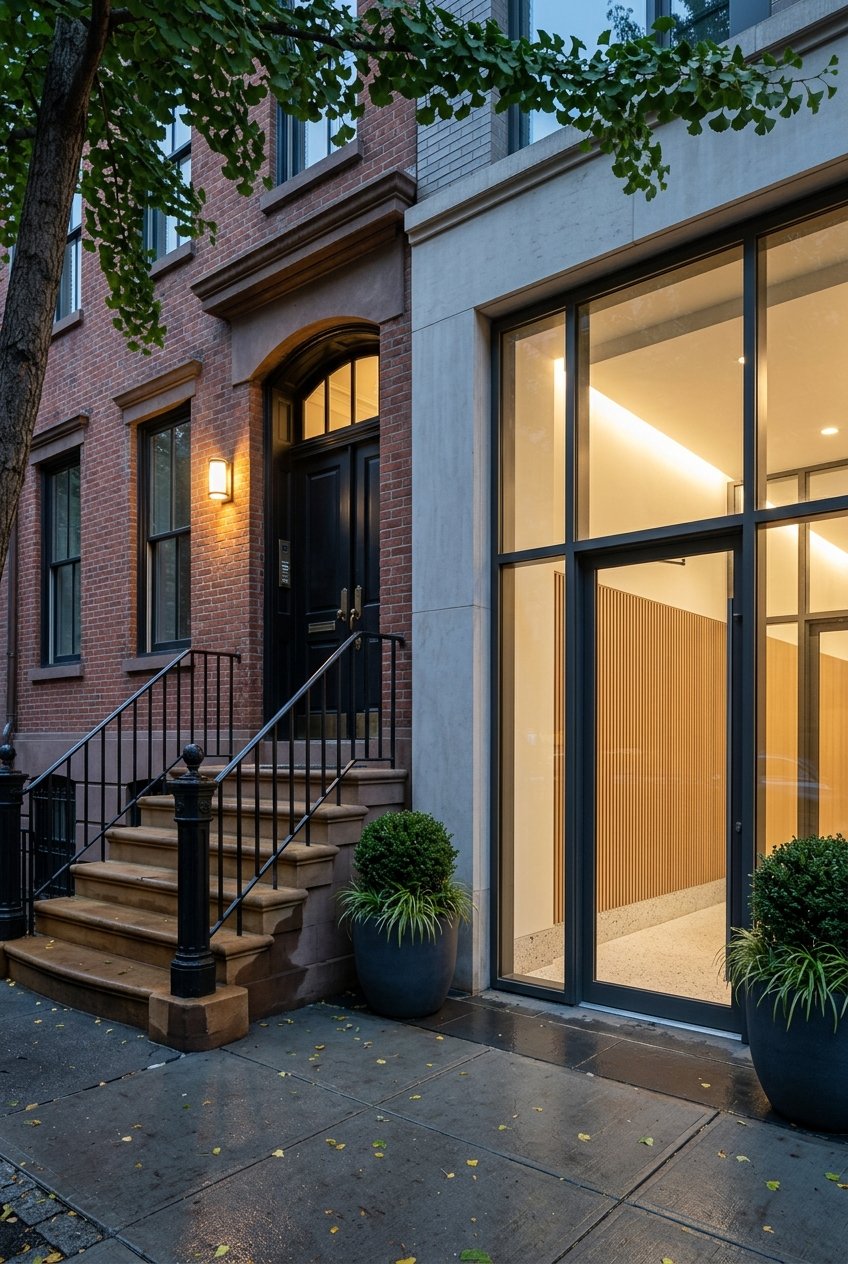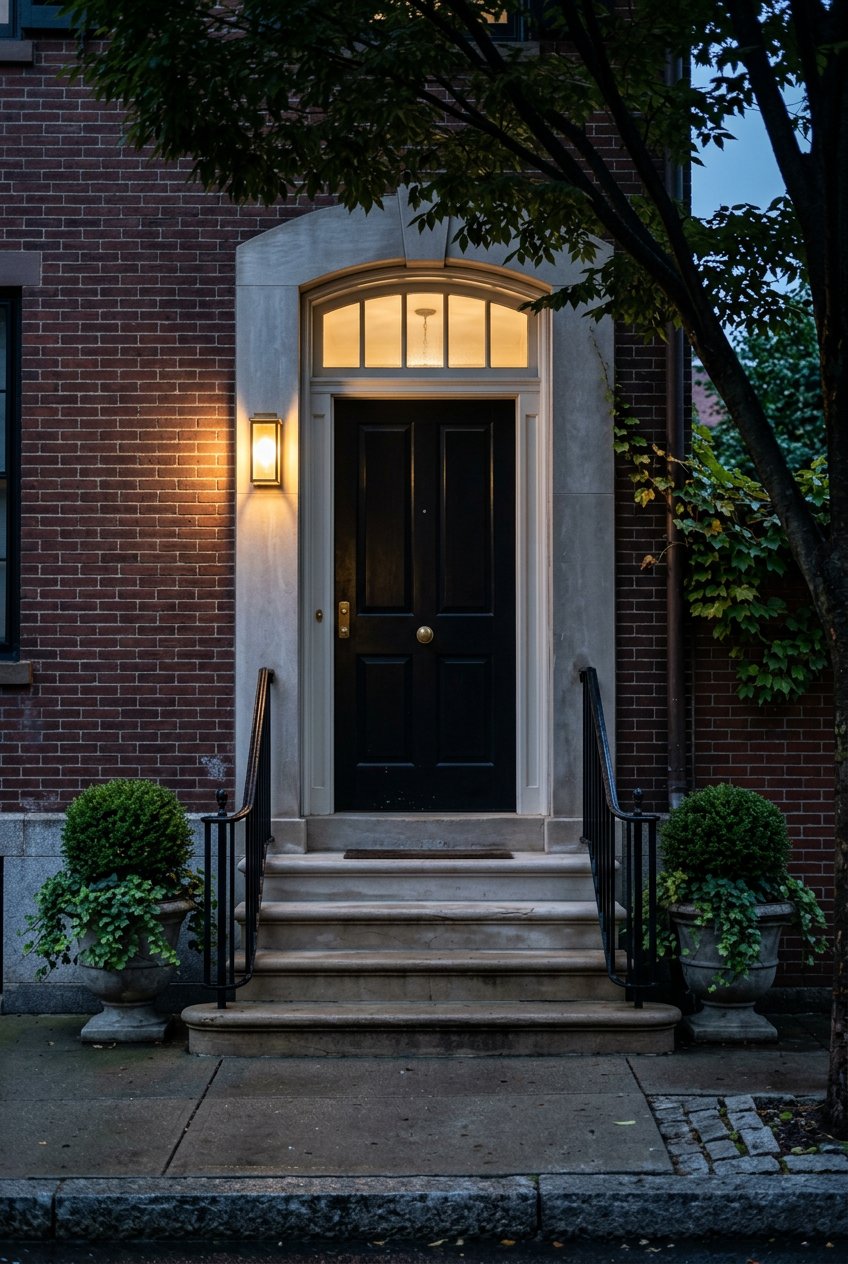
Picture a quiet, tree‑lined block where townhouses glow at dusk, then step a few minutes west to a wide riverfront path for sunset. After dinner at a snug bistro, you slip into a jazz set or comedy show before walking home past cobblestones and stoops. If that mix of old‑world charm and urban ease speaks to you, the West Village may be your place. In this guide, you’ll get a clear feel for daily life, housing, dining, transit, parks and practical tradeoffs so you can decide if the neighborhood fits your goals. Let’s dive in.
West Village at a glance
The West Village packs a lot into a compact footprint. It is highly walkable, with Walk Score calling it a Walker’s Paradise and rating it at the top of the scale for daily errands and transit convenience. You can see the summary on the official neighborhood page from Walk Score.
Commonly defined as the part of Greenwich Village west of Sixth Avenue and east of the Hudson River, the area runs roughly from Houston Street north to around 14th Street. Much of it sits within historic districts that preserve the low‑rise, townhouse scale and limit new towers, which is a big reason the neighborhood still feels like a village. The New York City Landmarks Commission began designations here in 1969, which continue to shape the streetscape today. You can read more about the preservation context via a city publication from the NYC Government Publications portal.
Christopher Street anchors the area’s cultural identity. At Christopher Park, the Stonewall Inn and the surrounding blocks form the Stonewall National Monument, an important site in LGBTQ+ history and an ongoing community touchstone. Learn more from the National Park Service’s Stonewall page.
Streets, history and architecture
Unlike much of Manhattan’s grid, the West Village keeps its earlier, angled street pattern and small mews. You notice narrow, curving lanes, mature street trees, and occasional cobblestones. The feel is intimate and picturesque.
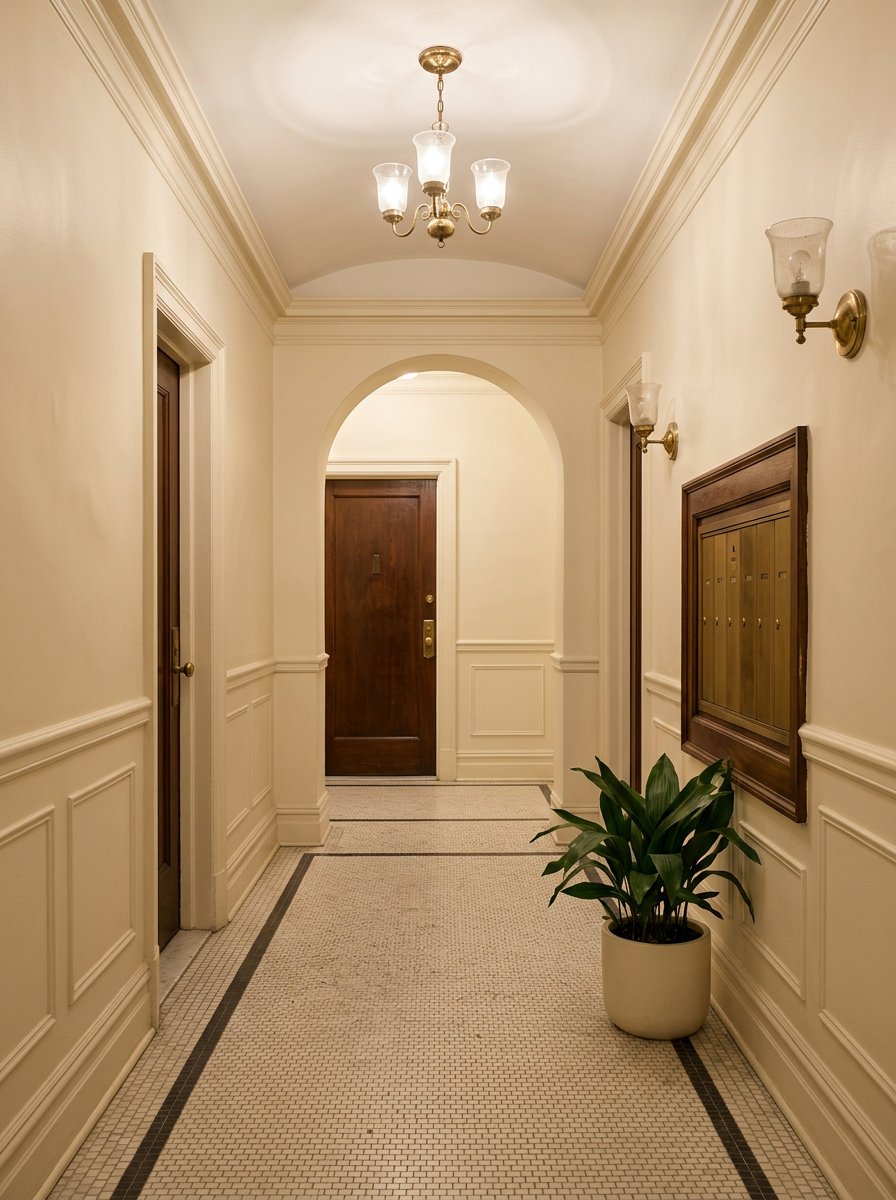
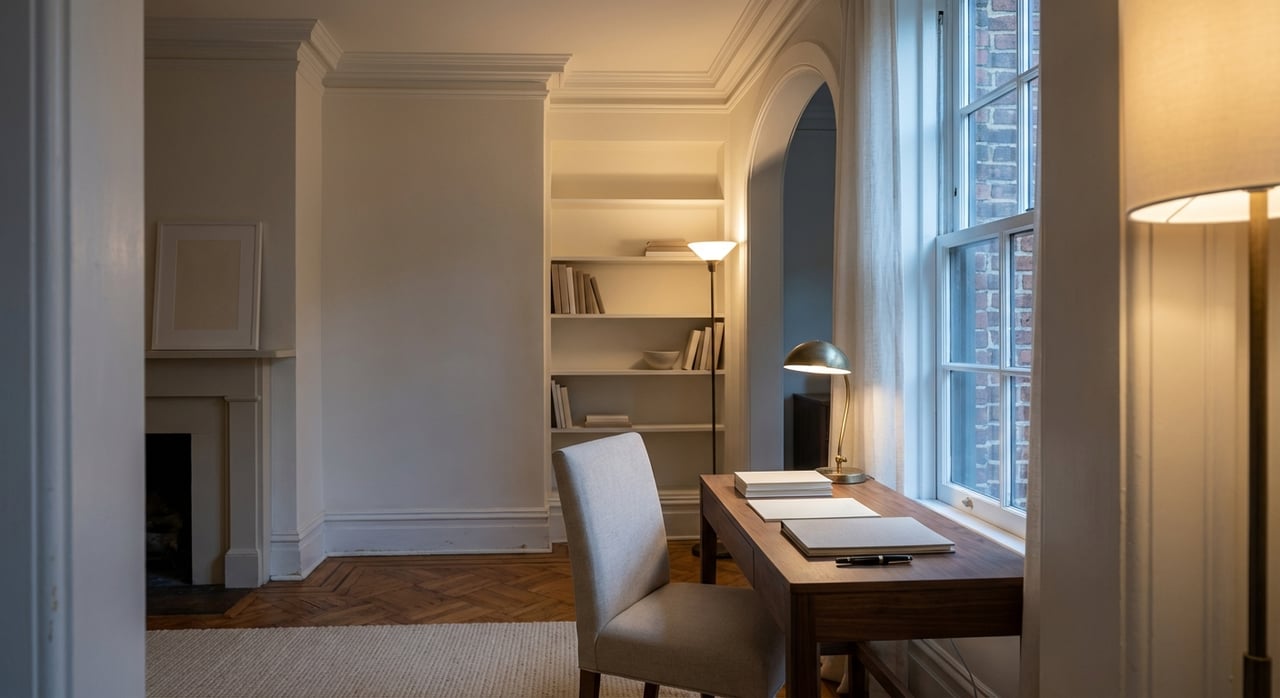
Typical buildings include brownstone and brick rowhouses, small pre‑war elevator co‑ops, and a handful of converted lofts or boutique condos. Preservation rules explain why these forms remain dominant and why new full‑block towers are rarer than in other downtown areas. That architectural continuity is a big part of the neighborhood’s appeal.
Dining, nightlife and arts
The West Village is one of New York’s densest dining neighborhoods. Expect chef‑driven trattorias, cozy bistros, and a steady stream of buzzy newcomers. Names you’ll hear often include Via Carota, L’Artusi, Buvette, Dante and Jeju Noodle Bar. For a flavor of what’s trending now, browse a local roundup of West Village dining and nightlife highlights.
Late nights can include intimate music rooms and classic jazz clubs, with the broader Village long known for live music. For a helpful overview of noted New York jazz spots, see this curated list of NYC jazz clubs. Comedy fans also find compact venues nearby that draw strong lineups.
Waterfront and parks
One of the neighborhood’s everyday luxuries is its direct access to Hudson River Park and the Hudson River Greenway. The continuous waterfront esplanade stretches for miles along Manhattan’s west side, with piers that offer sports fields, dog runs, playgrounds and seasonal programming. For many locals, sunset walks, runs and bike rides become part of the daily routine. Explore amenities and events through the Hudson River Park site.
You will also find small neighborhood green pockets like Christopher Park and Sheridan Square. Washington Square Park sits just a short walk to the east, offering a grander plaza and lawn when you want a bigger scene. To learn more about Christopher Park within Stonewall National Monument, visit the NPS overview.
Housing and prices
Inventory in the West Village skews older and low‑rise, with many small pre‑war co‑ops and townhouses on side streets and a limited number of newer condos. That mix affects pricing and how quickly comparable homes come to market.
Recent neighborhood medians reported by major data sites often land between roughly 1.4 million and 2.0 million, depending on provider and time window. For context on one recent 12‑month snapshot, see the West Village page in Rocket Homes’ market reports.
Price tiers vary by building type, size and condition, but here is a general feel based on local patterns:
- Studios and smaller co‑op units can appear below the million mark, with examples under about 700,000 to 900,000 in some periods.
- Larger one‑bedrooms commonly range from about 800,000 to 1.5 million or more.
- Two‑bedrooms often run from roughly 1.5 to 3 million or higher.
- Townhouses and penthouse‑level condos reach well into the multi‑millions, and occasional headline sales can skew averages.
Numbers differ by month because the neighborhood’s sales sample is small and heterogeneous. Resale co‑ops, rare new‑development condos and the occasional high‑end townhouse trade all sit in the same geographic area, which can push medians around. When you want to quote a single figure, always note the source and date.
Co‑op vs condo basics
Much of the West Village is co‑op heavy. Co‑ops require board approval and can involve stricter financial and subletting rules than condos. That can affect your timeline, financing structure and document prep. If you are new to co‑ops, start with a practical explainer on the process, like this buyer guide on how to buy a co‑op in NYC. A well‑organized board package and early financial planning go a long way here.
Getting around
Transit access is a strong suit. The IRT 1 train stops at Christopher Street at the Christopher Street–Stonewall station, and West 4th Street is a major nearby hub served by the A, B, C, D, E, F and M lines. PATH service runs through Christopher Street and Ninth Street, which is helpful if you commute to New Jersey. For a concise overview of the 1 train stop and history, see the station’s page.
If you prefer to walk or bike, you are in luck. The West Village is rated a Walker’s Paradise by Walk Score, and the Hudson River Greenway is one of the city’s busiest bike routes. Many residents live comfortably without a car.
Daily life and tradeoffs
- Liveliness vs quiet: Blocks near Christopher Street, the Meatpacking District and popular bar corridors can stay lively late. Side streets with townhouse rows are noticeably calmer. If noise is a concern, visit at both daytime and nighttime hours before you decide.
- Errands and services: Dense local retail means you can handle most errands within a few blocks, from cafés and corner markets to pharmacies and specialty shops. Walk Score’s high marks reflect this convenience.
- Space and schools: There are public and private school options within walking distance, though larger family units are limited and often expensive within this small, sought‑after area. Some households who want more space look to other neighborhoods while still coming back here for dining and parks.
A Saturday in the West Village
- Morning: Coffee on a quiet side street, then a stroll past stoops and townhouse gardens to the river.
- Midday: Head to Hudson River Park for a bike ride or a pickup game at Pier 40, or sit on a bench and watch the boats.
- Lunch: Grab a table at a neighborhood favorite like Buvette or Via Carota and linger over a simple, excellent meal. You can sample what is hot right now with this local guide to dining and nightlife.
- Evening: Book dinner at L’Artusi or Dante, then catch live music using a trusted roundup of NYC jazz clubs. Walk home along the waterfront.
Is the West Village right for you?
If you want historic architecture, intimate streets, serious dining and effortless access to the river and transit, the West Village delivers. The tradeoff is cost and inventory: homes are limited and competition can be strong, especially for renovated spaces with character. A local, data‑driven plan helps you move decisively when the right home appears.
If you are weighing a purchase or planning a sale, connect with The Schier Cloonan Team for a curated consultation. With 2,000+ transactions and $1.5B+ in closed sales, we pair deep Manhattan expertise with concierge service to guide your next step with confidence.
FAQs
What defines the West Village and where is it?
- It is the western side of Greenwich Village, roughly from Houston Street to around 14th Street, between Sixth Avenue and the Hudson River, with many landmarked blocks that preserve a low‑rise, historic feel.
How walkable is West Village and do I need a car?
- Walk Score ranks it a Walker’s Paradise, and the Hudson River Greenway adds excellent bike access, so most residents manage daily life comfortably without a car. See the Walk Score overview.
What is the typical commute to Midtown from West Village?
- Plan on about 20 to 35 minutes by subway, depending on transfers; the 1 train at Christopher Street and the West 4th hub with A/B/C/D/E/F/M lines offer multiple routes, and PATH adds New Jersey access. Reference the Christopher Street–Stonewall station for context.
How much do homes cost in the West Village?
- Medians vary by source and sample window but often fall in the roughly 1.4 to 2.0 million range, with smaller co‑ops below a million and larger homes and townhouses well above; see a recent snapshot in Rocket Homes’ market report.
What should first‑time buyers know about co‑ops here?
- Co‑ops are common, require board approval and may involve stricter financial and sublet rules than condos, which can lengthen timelines; start with a practical primer like this guide on buying a co‑op in NYC.
Is the West Village noisy at night?
- Some blocks near bar corridors and the Meatpacking District stay lively late, while townhouse side streets are typically quieter; visit during both day and night to gauge your comfort level.