If you are torn between a Park Slope brownstone and a new condo, you are asking the right question. In this part of Brooklyn, the choice is not just about style. It is about how you want to live, what you want to manage, and how you want your monthly costs to work over time. This guide breaks down the real differences so you can compare both options with more clarity and confidence. Let’s dive in.
Park Slope Housing Basics
Park Slope has one of New York City’s most established historic housing landscapes. According to the Landmarks Preservation Commission, the Park Slope historic districts together protect 2,853 buildings, with housing largely built from the mid-19th century through the early 20th century.
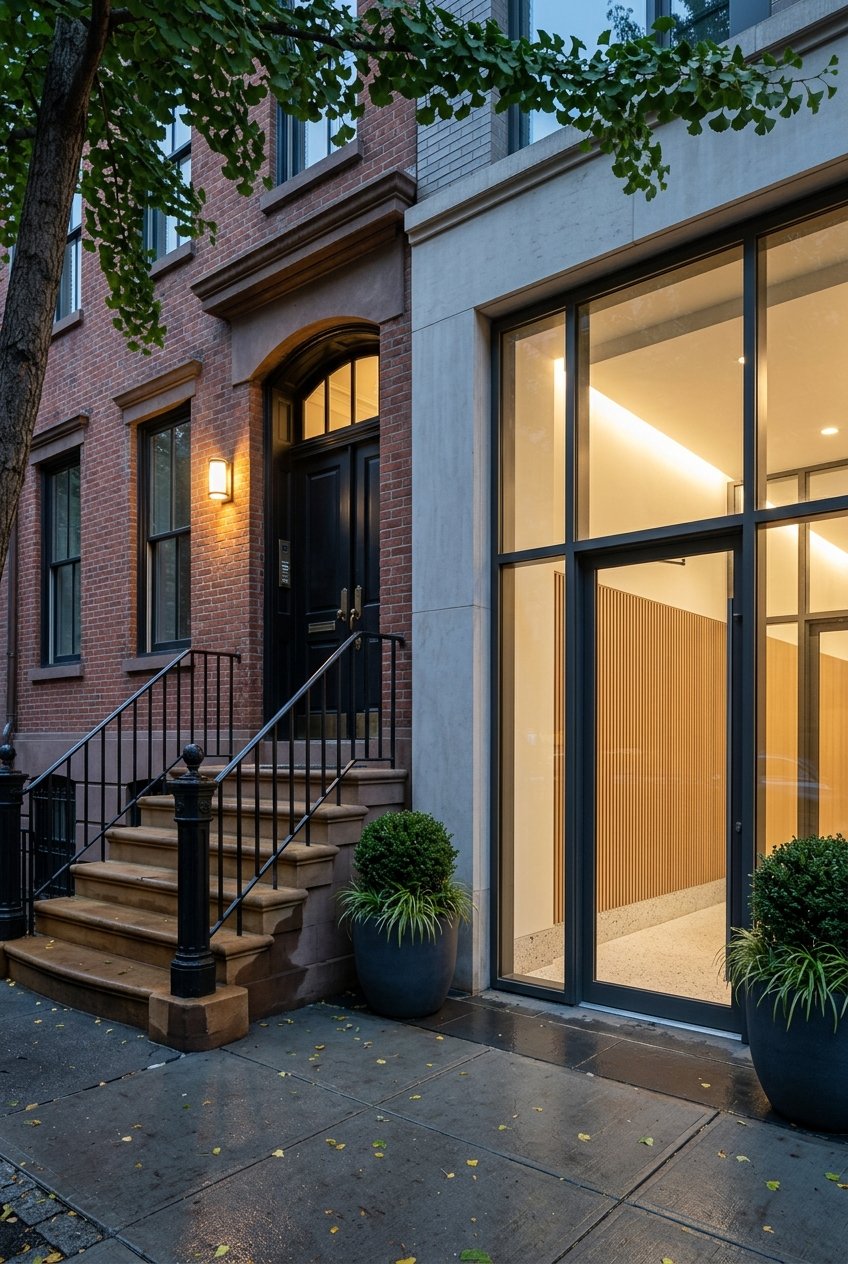
That matters because when you buy here, you are often choosing between two very different ownership experiences. On one side, you have historic rowhouses and brownstones shaped by decades of architectural history. On the other, you have newer condo buildings that offer a more modern ownership structure in a neighborhood with ongoing residential development.
The area is also a high-demand ownership market. The Furman Center neighborhood profile reports a 2023 population of 123,309, median household income of $165,910, and a 39.7% homeownership rate across the broader Park Slope and Carroll Gardens profile area.
What a Brownstone Really Means
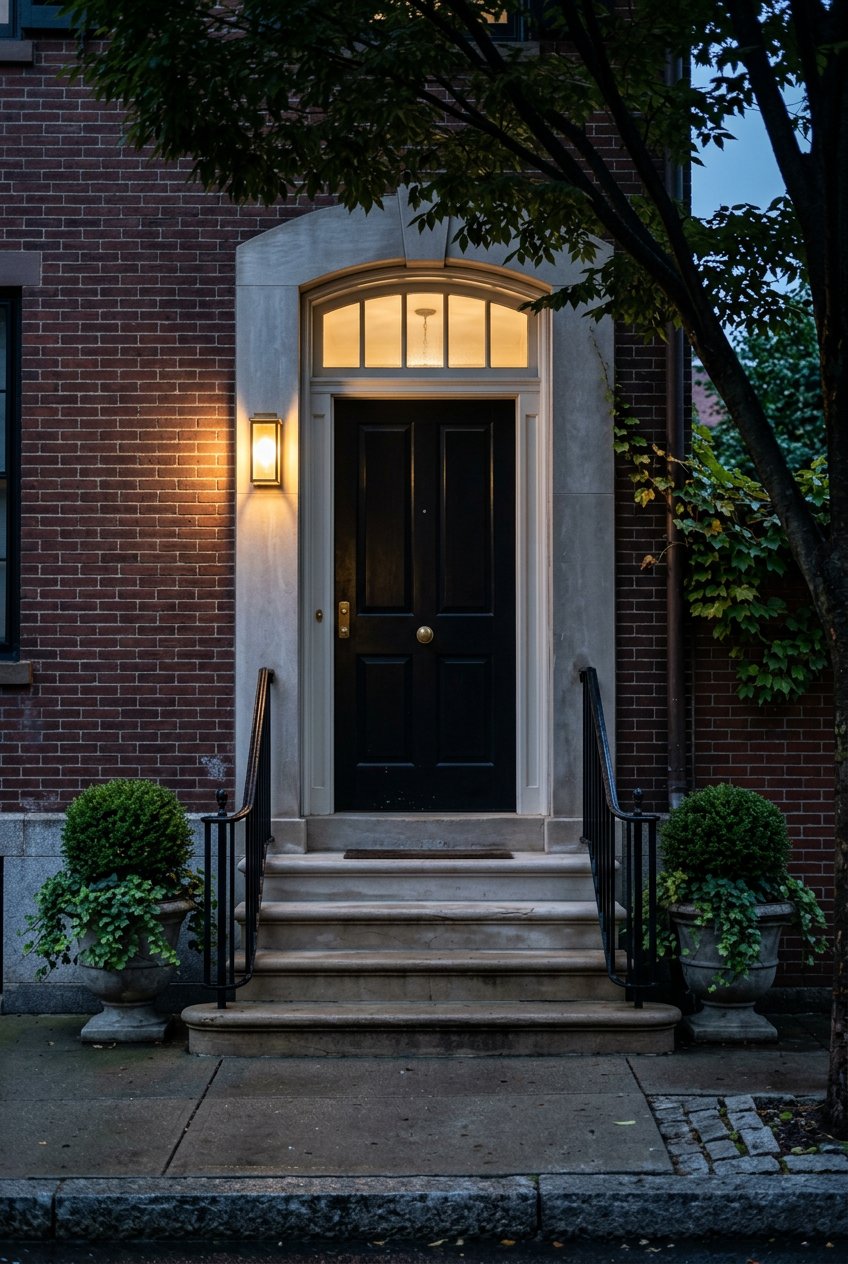
In Park Slope, a brownstone often means more than a beautiful façade. The neighborhood’s historic districts include a wide mix of architectural styles, from Italianate and Neo-Grec to Romanesque Revival and Beaux Arts, as outlined in the 2016 LPC designation report.
For many buyers, the appeal is clear. A brownstone can offer historic character, a stronger sense of owning the whole building, and more direct control over how the property is maintained and used.
That control comes with responsibility. The LPC Rowhouse Manual explains that most exterior changes to front and rear facades in historic districts require review, while ordinary repairs like replacing broken window glass, repainting to match the existing color, or caulking around windows and doors generally do not require a permit.
Brownstone Ownership Pros
A Park Slope brownstone may be a strong fit if you value:
- Historic detail and architectural personality
- More direct control over the building itself
- A whole-house ownership experience
- Flexibility in how you manage maintenance and repairs
Brownstone Ownership Tradeoffs
Before you buy, it is important to understand the other side of the equation. Brownstone ownership often means you are taking on more direct oversight of:
- Exterior maintenance and repair planning
- Vendor coordination
- Budgeting for building-level issues
- Permit and approval navigation for certain visible changes
The LPC permit guidance notes that proposed changes affecting exterior character, including windows, stoops, facades, additions, and the height of additions or new construction in historic districts, may be reviewed to ensure they remain sensitive to the scale and character of the district.
How New Condos Differ
A new condo is a different ownership product from the start. The New York State Attorney General defines a condominium as a single real estate unit in a multi-unit development, with separate ownership of the unit and an undivided interest in the common elements.
In practical terms, that usually creates a more standardized ownership framework. Instead of personally handling every building-wide issue, you own your unit and share responsibility for common areas through common charges.
That monthly structure can feel more predictable, but it is not simple by default. The Consumer Financial Protection Bureau notes that condo or HOA dues are usually paid directly to the association, are typically not included in the mortgage payment, and can range from a few hundred dollars a month to more than $1,000.
Condo Ownership Pros
A new condo may appeal to you if you want:
- A more defined monthly common-charge structure
- Less direct involvement in building-wide maintenance
- A multi-unit ownership model with shared common elements
- A newer building format in a high-demand neighborhood
Condo Ownership Tradeoffs
It is still important to look closely at the numbers. Common charges may help streamline building operations, but you will want to understand exactly what they cover and whether the building’s services justify the ongoing cost.
Financing can also vary. The CFPB notes that lenders may charge slightly more for loans used to buy a condo or a home with more than one unit, so your affordability review should include lender fees, taxes, insurance, and association dues rather than comparing sticker prices alone.
Compare Total Carrying Costs
In Park Slope, the smartest comparison is rarely brownstone price versus condo price. A better framework is total carrying cost.
That means looking at the full picture, including mortgage costs, property taxes, insurance, common charges if applicable, and the likely maintenance profile of the property. For many buyers, this is where the choice becomes clearer.
Property Taxes Matter
In New York City, property-tax treatment depends on tax class. The NYC Department of Finance says tax class 1 includes most residential property of up to three units, with assessment increases capped at 6% per year and 20% over five years.
The same source notes that class 2a, 2b, and 2c properties for buildings with 10 or fewer units are capped at 8% per year and 30% over five years, while other class 2 properties are assessed differently. This helps explain why the carrying costs of a brownstone-style home and a condo can diverge in meaningful ways even when both are in the same neighborhood.
Budgeting Looks Different
With a brownstone, you may have more direct control over building decisions, but you also need to plan for repairs and upkeep more directly. With a condo, that planning is often folded into common charges, but those charges become a fixed part of your monthly cost structure.
Neither model is automatically better. The right fit depends on whether you prefer more direct oversight or a more shared building framework.
Pricing in Park Slope
Park Slope is a premium market, and both product types can command high prices. According to the Furman Center’s 2024 neighborhood data, the median sales price per unit was $3.95 million for one-family buildings and $1.627 million for condos in the broader Park Slope and Carroll Gardens area.
The same report shows strong long-term appreciation in both segments since 2009, with a housing-price index of 481.3 for one-family buildings and 493.5 for condos. That suggests both categories have appreciated strongly over time, even if the ownership experience is very different.
Public sales records also show just how broad the price range can be inside Park Slope. The NYC Department of Finance 2024 Brooklyn sales file shows one-family homes in Park Slope selling as high as $7.8 million, while condo sales ranged from a few hundred thousand dollars to nearly $4 million depending on size, address, and building vintage.
New Development Is Part of the Picture
If you are leaning condo, it helps to know that new residential inventory continues to enter the market. The Furman Center reports that the broader Park Slope and Carroll Gardens area added 3,961 housing units from 2010 to 2024, with 81% market-rate.
In 2024 alone, the area saw 628 units authorized by new residential permits and 438 units issued certificates of occupancy. That does not mean every new condo is a value play. In fact, new development can still be priced as a luxury product, as shown by a 2023-built Park Slope South condo on 16th Street that sold for $2.494 million in the city’s 2024 sales file.
Which Option Fits Your Lifestyle
If you are deciding between these two paths, the best question is simple: how involved do you want to be in the property itself?
A brownstone may suit you if you want historic character, hands-on control, and the feeling of owning a full building. A new condo may suit you if you want a more structured monthly ownership model and less direct involvement in building-level maintenance.
Questions to Ask Yourself
Before you decide, consider these points:
- Do you want to manage more of the building directly?
- Are you comfortable navigating exterior-work rules in a historic district?
- Do you prefer budgeting for repairs as they arise or through monthly common charges?
- Are you comparing lender fees, taxes, insurance, and recurring charges, not just purchase price?
- Do you want historic architecture or a newer development format?
When you answer those questions honestly, the right choice often becomes much easier to see.
Whether you are comparing townhouse-style ownership with condo living or narrowing your search across Brooklyn and Manhattan, working with an experienced team can help you evaluate the details that matter most. For tailored guidance and a concierge-level buying or selling experience, connect with The Schier Cloonan Team.
FAQs
What is the main difference between a Park Slope brownstone and a new condo?
- A brownstone usually offers more direct control over the building and more owner responsibility for upkeep, while a condo gives you ownership of an individual unit plus shared common elements and recurring common charges.
Do Park Slope brownstones require landmark approval for exterior changes?
- In many cases, yes. The Landmarks Preservation Commission says most exterior changes to front and rear facades in historic districts require review, though some ordinary repairs do not.
Are monthly costs easier to predict in a Park Slope condo?
- They can be, because condos usually include recurring common charges, but you still need to budget for mortgage payments, taxes, insurance, and any lender fees.
Are Park Slope brownstones more expensive than condos?
- They often are at the median level. Furman Center data for the broader area shows a 2024 median sales price per unit of $3.95 million for one-family buildings versus $1.627 million for condos.
Do Park Slope condos and brownstones appreciate at similar rates?
- Public neighborhood data suggests both segments have appreciated strongly over time, with broadly similar long-term housing-price index growth since 2009 in the broader Park Slope and Carroll Gardens area.