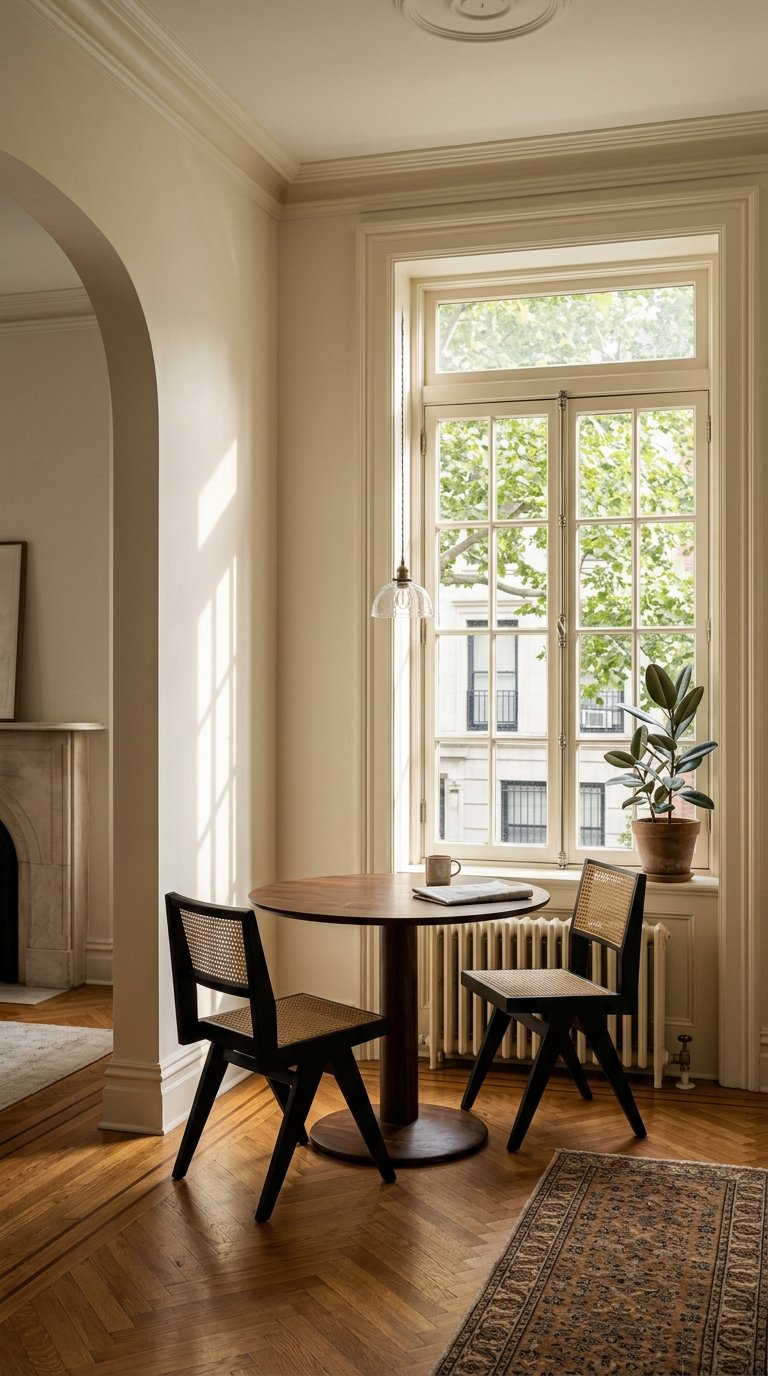
Ever wonder what daily life feels like when one side of your block opens onto one of the most iconic parks in the world? Living on Central Park West offers a very specific Manhattan experience: grand architecture, immediate access to Central Park, and a residential setting that still keeps culture, transit, and everyday conveniences close at hand. If you are considering a move to this stretch of the Upper West Side, here is what you can realistically expect from the lifestyle, streetscape, and rhythm of the avenue. Let’s dive in.
Central Park West at a glance
Central Park West runs along the western edge of Central Park in the Upper West Side, within the area served by Manhattan Community Board 7 from 59th to 110th Streets between Central Park and the Hudson River. That location shapes almost everything about the experience of living here.
Unlike a corridor defined mainly by storefronts or office buildings, Central Park West feels more like a formal residential frontage facing a major civic landmark. You are living beside Central Park, while still being woven into the broader Upper West Side, a neighborhood known for its residential character and retail avenues to the west.
Why the park shapes daily life
Central Park is not just a nearby amenity here. It is the backdrop to the avenue itself. NYC Parks describes Central Park as running from 59th to 110th Streets between Fifth Avenue and Central Park West, spanning 840.01 acres and welcoming more than 25 million visitors a year.
That kind of access changes your day in practical ways. A morning walk, a quick run, a playground stop, or an evening stroll can feel easy and routine rather than something you need to plan around. For many residents, that is the defining advantage of the address.
Outdoor routines are built in
If you like to stay active, Central Park gives you several well-known routes. The Central Park Conservancy lists the Reservoir loop at 1.58 miles, the bridle path loop around the Reservoir at 1.66 miles, and the full park drives loop at 6.1 miles.
The Conservancy also describes the drives as a safe, continuous corridor for running, walking, skating, cycling, and rolling. In other words, living on Central Park West puts a major recreation system right outside your building.
Dog owners have strong options
For dog owners, the routine is especially clear. In Central Park, dogs must be leashed from 9:00 am to 9:00 pm, with off-leash hours from 6:00 am to 9:00 am and 9:00 pm to 1:00 am in designated areas.
You also have another nearby option on the west side. Riverside Park includes dog runs at 71st, 72nd, 87th, and 105th Streets, and NYC Parks notes courtesy off-leash hours in most areas there from 9:00 pm to 9:00 am. That gives residents access to both Central Park and Riverside Park routines.
Park access extends beyond exercise
Central Park also supports everyday recreation in a broader sense. NYC Parks notes that the park has 21 official playgrounds, along with a wide mix of green space, fitness, and recreational facilities.
That means the appeal of Central Park West is not limited to runners or dedicated park users. It also suits anyone who values having open space, seating areas, playgrounds, and room to unwind within a dense urban setting.
The architecture is a major draw
For many buyers, Central Park West is as much about the buildings as it is about the park. The avenue is closely tied to the Upper West Side/Central Park West Historic District, where landmark protections help preserve the corridor’s distinct character.
The Landmarks Preservation Commission explains that historic districts are collections of landmark buildings that create a distinct sense of place. It also notes that work affecting designated landmarks or historic district properties may require LPC review for alterations, reconstruction, demolition, or new construction.
A classic Manhattan streetscape
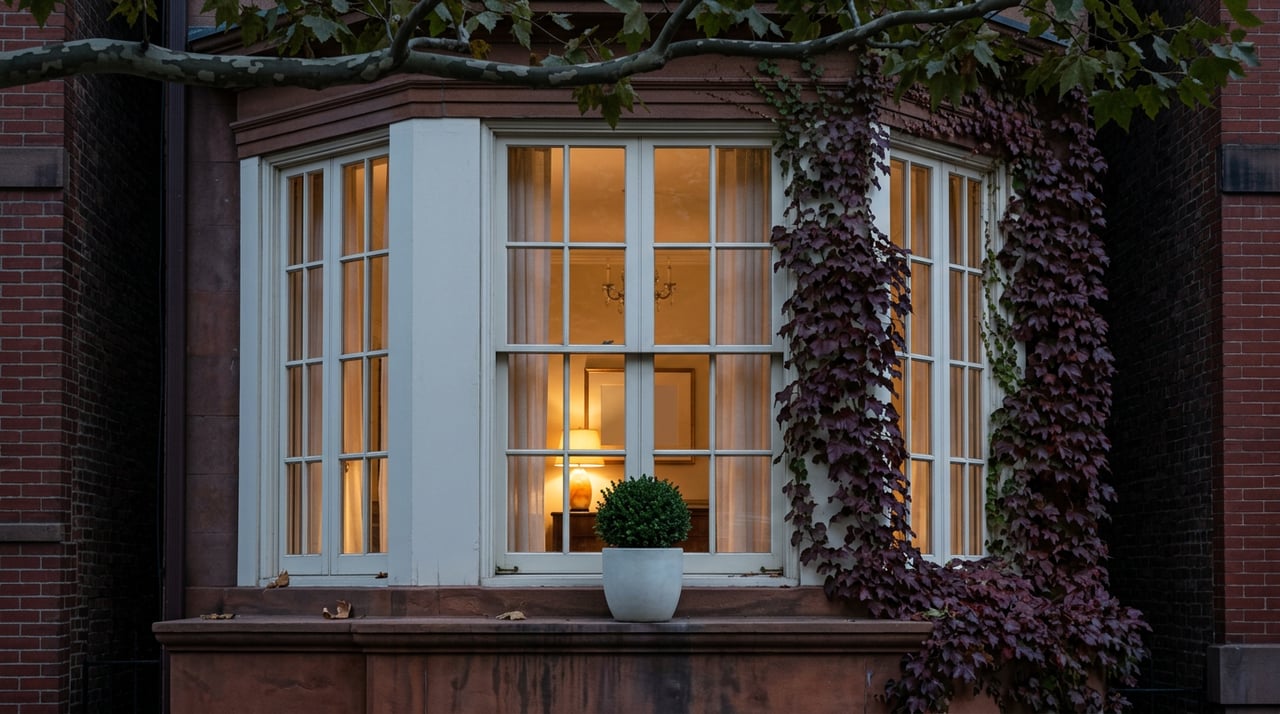
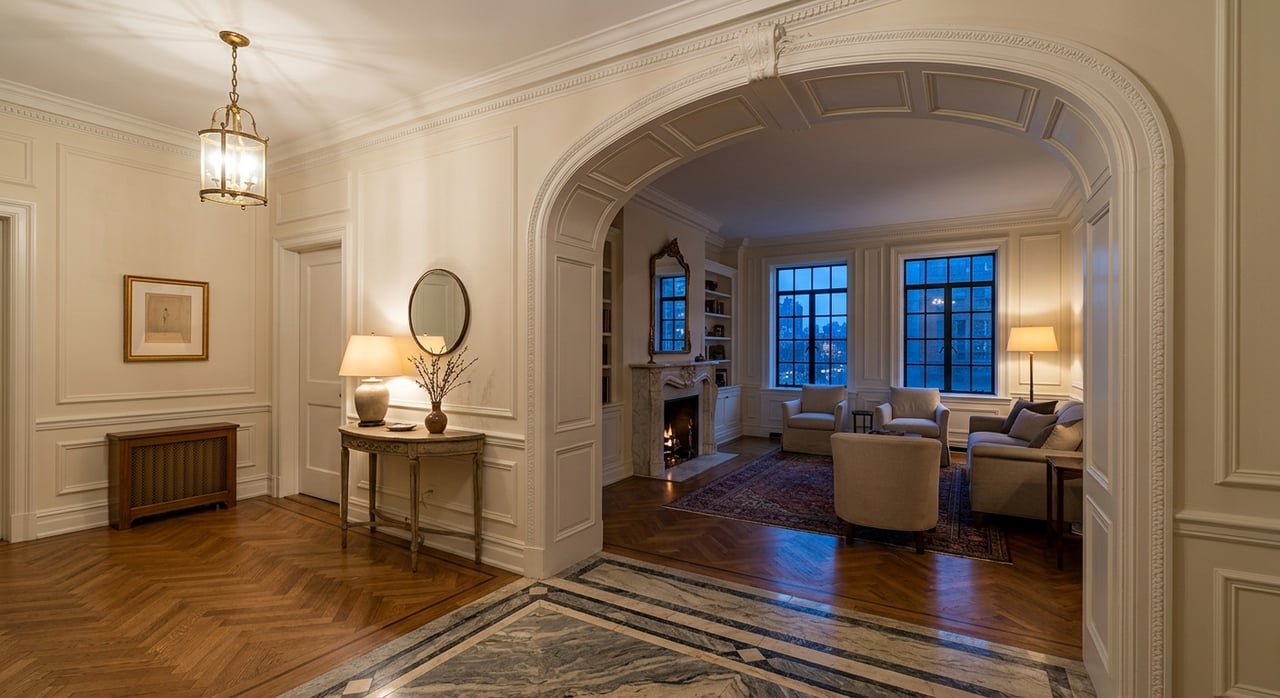
That preservation framework helps explain why Central Park West feels visually consistent and recognizable. The street is known for pre-war apartment houses, formal façades, and a skyline that often favors ornament, proportion, and presence over novelty.
Historically, the avenue was envisioned as the West Side’s counterpart to Fifth Avenue. One LPC district report notes that land along Central Park West was reserved for more expensive apartment projects because it was hoped the avenue would become the Fifth Avenue of the West Side.
Landmark buildings define the corridor
Some of Manhattan’s best-known residential buildings are here. LPC describes the Dakota Apartments as New York City’s first luxury apartment house, superbly sited on a corner plot overlooking Central Park.
The San Remo Apartments are described by LPC as soaring over Central Park, as one of the last grand pre-Depression apartment houses, and as the first of the twin-towered buildings that give Central Park West its distinctive silhouette. Even if you are not living in one of these specific buildings, they help set the tone for the entire avenue.
Views matter, but they vary
When people imagine Central Park West, they often picture sweeping park views. That appeal is real, but it is also building-specific. Outlook depends on factors like the building line, stack, and floor.
What the landmark descriptions make clear is that many of the avenue’s notable buildings were designed with the park as the primary visual anchor. If views are important to you, the details of a specific residence matter just as much as the address.
Transit is part of the convenience
Central Park West feels residential, but it is still deeply connected to the rest of the city. MTA maps show B and C stations along Central Park West at 72nd, 81st, 86th, 96th, 103rd, and 110th Streets.
At the southern end, 59th Street-Columbus Circle connects to the A, C, D, and 1 trains. The wider area also connects easily to the 1, 2, and 3 lines, giving residents practical access to multiple parts of Manhattan and beyond.
Walkability goes beyond the subway
Another part of the lifestyle is that many destinations are reachable on foot. The museum corridor, nearby retail avenues, and Lincoln Center area all sit close enough to shape day-to-day plans.
That balance is one of the avenue’s strengths. You get a quieter residential feel on the park edge, but you are not isolated from dining, transit, or cultural destinations.
Culture is woven into the neighborhood
Central Park West offers unusual access to major cultural institutions. The American Museum of Natural History is at 200 Central Park West, with entrances at 79th Street on Central Park West, 81st Street, and Columbus Avenue.
The New-York Historical is at 170 Central Park West at Richard Gilder Way and 77th Street. These are not occasional destinations for many residents. They are part of the neighborhood fabric.
Lincoln Center is close by
Lincoln Center adds another layer to life in the area. Its campus is on the Upper West Side between West 62nd and 65th Streets and Columbus and Amsterdam Avenues, within walking distance of the Central Park West corridor for many residents.
That proximity can shape your week in simple ways. Dinner before a performance or a spontaneous evening downtown can feel much easier when one of the city’s major arts campuses is nearby.
Seasonal events add variety
The neighborhood also benefits from outdoor cultural programming. The Public Theater’s Free Shakespeare in the Park takes place at the Delacorte Theater in Central Park, adding a seasonal performance tradition to the area.
That kind of access gives Central Park West a rhythm that is not only residential. The avenue sits at the intersection of home life, green space, and longstanding New York cultural institutions.
Dining and conveniences nearby
Central Park West itself is not best understood as a single restaurant strip. Instead, dining and daily conveniences tend to cluster on nearby blocks around museum entrances, Columbus Avenue, Amsterdam Avenue, and the Lincoln Center area.
That distinction matters if you are picturing the avenue. The appeal is less about stepping out onto a dense line of storefronts and more about having a calm residential address with plenty of options a short walk away.
Everyday life feels balanced
This setup tends to appeal to people who want both beauty and function. You can enjoy the formality of the avenue, the openness of the park, and the convenience of nearby retail corridors without feeling like you live on a purely commercial street.
For many residents, that is the sweet spot. Central Park West offers a polished setting while keeping the practical side of city living close and usable.
Who Central Park West tends to suit
Based on the avenue’s character, Central Park West often appeals to buyers who value pre-war architecture, immediate park access, and proximity to museums and performance venues. It is especially compelling if you want a residential address with a strong visual identity and a classic Manhattan feel.
It can also be a strong fit if you want a home base that supports routines. Running loops, dog walks, playground access, museum visits, and multiple subway connections all contribute to a lifestyle that feels both elevated and workable.
What to keep in mind before moving
As attractive as the avenue is, it helps to be specific about what matters most to you. Not every residence will have the same park exposure, natural light, or view line, even on the same block.
It is also worth remembering that much of the corridor’s character is protected through landmark designation. That preservation helps maintain the area’s look and feel, but it can also shape what is possible for exterior work on designated buildings.
If you are comparing homes on Central Park West, the most useful approach is to look beyond the address alone. Building type, orientation, floor, and proximity to your preferred park entrances or subway stations can all influence the experience.
If you are exploring a purchase or preparing to position a Central Park West home for sale, working with a team that understands the nuance of Upper West Side buildings, buyers, and presentation can make a meaningful difference. For tailored guidance, valuations, and concierge-level support, connect with The Schier Cloonan Team.
FAQs
What is daily life like on Central Park West in Manhattan?
- Daily life on Central Park West is shaped by immediate access to Central Park, a formal residential streetscape, nearby museums and performance venues, and multiple subway connections along the Upper West Side.
What kind of buildings are found on Central Park West?
- Central Park West is known for pre-war apartment houses, landmarked façades, and historically significant residential buildings that contribute to the avenue’s classic Manhattan character.
Are there good running routes near Central Park West?
- Yes. Central Park offers several established routes, including the 1.58-mile Reservoir loop, the 1.66-mile bridle path loop around the Reservoir, and the 6.1-mile park drives loop.
Is Central Park West convenient for dog owners?
- Yes. Central Park has designated off-leash hours from 6:00 am to 9:00 am and 9:00 pm to 1:00 am, and nearby Riverside Park offers dog runs at 71st, 72nd, 87th, and 105th Streets.
How is transit on Central Park West in the Upper West Side?
- Transit is one of the area’s strengths, with B and C stations along Central Park West and additional access to A, C, D, 1, 2, and 3 service nearby through Columbus Circle and the broader Upper West Side network.
What cultural attractions are near Central Park West?
- Major nearby cultural institutions include the American Museum of Natural History, the New-York Historical, Lincoln Center, and seasonal performances such as Free Shakespeare in the Park at the Delacorte Theater.