Dreaming about a Manhattan home base that feels charming, convenient, and unmistakably New York? If you are considering a pied-à-terre in the West Village, you are likely looking for more than square footage. You want a residence that works effortlessly for part-time living while giving you access to one of the city’s most distinctive neighborhoods. Let’s dive in.
Why West Village Fits A Pied-à-Terre
The West Village stands out because it offers a rare mix of character, walkability, and strong residential appeal. Realtor.com’s May 2026 market snapshot shows 236 homes for sale, a median listing price of $1.798 million, median days on market of 56, and a sale-to-list ratio of 98%.
That data points to a premium market with limited turnover. If you are shopping for a second home here, it helps to be prepared for competition and to act with clarity when the right apartment comes along.
StreetEasy describes the neighborhood as residential, curvy, and off-grid, with Greenwich Avenue serving as a core gathering street. On the western edge, Hudson River Park adds a major lifestyle benefit with 550 acres and four miles of riverfront recreation and public programming.
For many buyers, that combination is the draw. A West Village pied-à-terre can give you dining, waterfront access, and a true neighborhood feel in a compact, easy-to-enjoy Manhattan home.
Historic Character Shapes The Experience
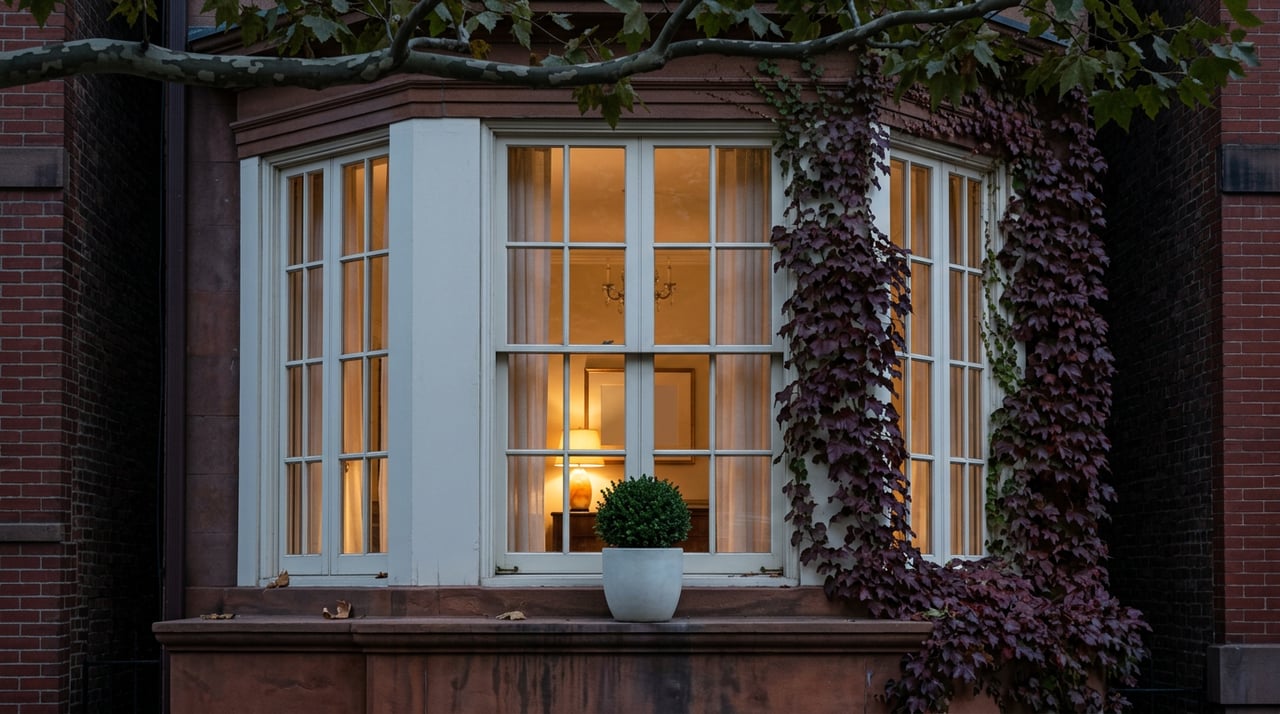
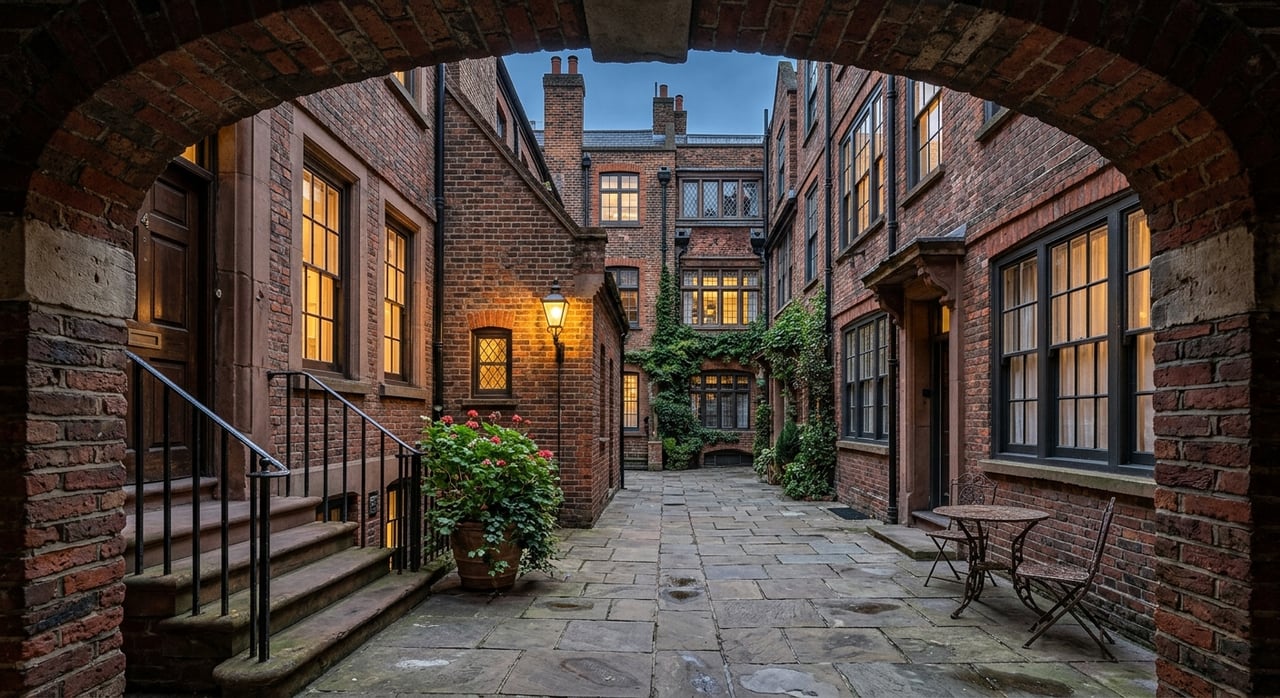
Much of the West Village sits within the broader Greenwich Village Historic District. According to the Landmarks Preservation Commission, the district was designated in 1969, includes more than 2,000 buildings across 65 blocks, and remains the largest historic district in New York City.
That historic fabric is a major part of the neighborhood’s appeal, but it also affects ownership. In many buildings, exterior changes are not simply a matter of personal preference or contractor availability.
The LPC regulates designated properties after landmark or historic-district status is granted. If you are considering a home in a landmarked building, it is smart to ask early about rules tied to windows, facades, terraces, or other exterior elements.
Building Types Matter More Than You Think
In the West Village, inventory is best understood by building type, not just bedroom count. StreetEasy notes that the housing stock is dominated by historic townhouses and walk-ups, with newer high-rises along the Hudson River.
That matters because a pied-à-terre buyer usually has different priorities from a full-time owner. In many cases, the most practical options are studios or one-bedrooms with strong light, smart storage, and a layout that feels easy to lock and leave.
Older buildings often offer charm, scale, and prime location. At the same time, StreetEasy notes that interiors in some older properties can feel less updated even when the exterior and address are highly desirable.
As a practical matter, historic co-ops may offer more character but fewer services. Boutique condos and newer riverfront buildings are more likely to offer elevators, staff coverage, and other conveniences that can make occasional use simpler. That pattern reflects the current inventory mix in the neighborhood.
Co-Op Vs. Condo For A Second Home
Your first major decision will often be whether to focus on a co-op or a condo. In New York City, that ownership structure can shape your experience before, during, and after closing.
The New York City Bar explains that when you buy a co-op, you purchase shares in a corporation and occupy the apartment under a proprietary lease. When you buy a condo, you own an individual piece of real property plus an undivided interest in the common areas, and you pay property taxes and common charges.
For a pied-à-terre buyer, the practical difference is often about rules and process. Co-ops can involve more board scrutiny and more variation from building to building, while condos are generally more straightforward from an ownership standpoint.
That does not mean one is always better than the other. It means the right fit depends on how you plan to use the home and how comfortable you are with a building’s governance and house rules.
What To Review In A Co-Op
The New York State Attorney General notes that co-op bylaws, proprietary leases, and house rules govern shareholder rights and responsibilities. That guidance also specifically notes that these documents include sublet provisions.
If you are buying a West Village pied-à-terre, you should review those documents carefully. Even if you do not plan to sublet right away, it is important to understand the building’s policy, the board’s expectations, and whether your intended use pattern aligns with the rules.
The Attorney General also recommends reading the full offering plan and consulting an attorney before signing a purchase agreement. In a neighborhood with many older buildings, that level of review is not just a formality. It is a key part of smart due diligence.
Why Condo Simplicity Appeals
For some second-home buyers, a condo’s ownership structure can feel more predictable. That can be especially appealing if you want a streamlined path with fewer building-specific hurdles.
Still, simplicity does not replace due diligence. You will still want to understand the building’s finances, service level, policies, and the day-to-day experience of owning there.
Ask About The Building, Not Just The Apartment
A beautiful apartment can still be the wrong pied-à-terre if the building does not match your lifestyle. In the West Village, this point matters because the housing stock is older and building rules can vary widely.
Start with practical questions. Does the building allow the kind of part-time ownership you have in mind? Do the house rules, sublet policy, or general board culture fit an owner who may use the apartment seasonally or occasionally?
Then move to convenience. If it matters to your day-to-day use, ask whether the building has an elevator, doorman, package room, storage, bike room, or garage access.
For a primary residence, you may accept a few trade-offs. For a pied-à-terre, convenience often carries more weight because you want the home to feel easy from the moment you arrive.
Older Buildings Need Deeper Due Diligence
In the West Village, it is important to look beyond finishes and floor plans. The New York State Attorney General notes that board minutes and financial reports can reveal pending facade, roof, elevator, plumbing, electrical, or boiler issues.
That is especially relevant in a neighborhood defined by older housing stock. A well-located apartment may still come with a larger maintenance picture that affects your costs, your timing, or your future enjoyment of the property.
This is why buyers should ask not only about space, but also about reserve strength and any upcoming capital work. A compact apartment in the right building can be a far better pied-à-terre than a prettier unit in a building facing major projects.
Budget For The Mansion Tax
In this market, tax planning should be part of the conversation early. New York State’s mansion tax applies to residential real property transfers of $1 million or more and is calculated at 1% of the consideration attributable to the residential real property.
Because the West Village median listing price is well above that threshold, many buyers should expect this tax to be part of their acquisition costs. That does not need to be a surprise, but it does need to be built into your planning from the beginning.
This is one more reason to coordinate with your legal and tax advisers before you get too far down the path. In a high-value market, a clear budget is part of a smooth purchase.
Think Lifestyle First, Space Second
A West Village pied-à-terre is often a lifestyle purchase first and a square-footage purchase second. If you are buying here, you are likely prioritizing location, atmosphere, and ease of use over maximum size.
That framing helps clarify your search. A smaller apartment with better light, stronger services, and a more convenient building may serve you better than a larger home that feels less manageable for part-time living.
The neighborhood offers historic character, strong residential appeal, and direct access to riverfront recreation. The trade-off is that supply is constrained, rules can vary significantly from building to building, and careful legal, tax, and physical due diligence is essential.
A Smart Approach To Buying In The West Village
If you want to buy well in the West Village, start with your real use case. Be honest about how often you will be there, what level of convenience you expect, and whether building services matter more than extra square footage.
From there, narrow your search by ownership type, building style, and rule set. That can help you avoid spending time on apartments that look appealing online but do not fit the realities of part-time ownership.
Finally, move through the process with a curated, building-specific lens. In this neighborhood, the right purchase is usually the one that balances charm, functionality, and a clear understanding of the building behind the front door.
If you are considering a pied-à-terre in the West Village and want discreet, strategic guidance through the process, The Schier Cloonan Team brings concierge-level Manhattan expertise and a thoughtful, highly personalized approach.
FAQs
What makes the West Village attractive for a pied-à-terre?
- The West Village appeals to many second-home buyers because it combines historic character, walkability, dining, and access to Hudson River Park in a premium Manhattan setting.
Should you buy a co-op or condo for a West Village second home?
- It depends on your goals, but condos are often more straightforward in ownership structure, while co-ops may involve more board scrutiny and building-specific rules.
What should you ask before buying a West Village pied-à-terre?
- Ask whether the building fits your intended use pattern, what the house rules and sublet policies are, what services are available, and whether there is any planned capital work.
Why does landmark status matter in the West Village?
- In landmarked or historic-district buildings, exterior changes may require Landmarks Preservation Commission review, so you should understand those limits before you buy.
Is the mansion tax relevant when buying in the West Village?
- Yes. New York State’s mansion tax applies to residential transfers of $1 million or more, and many West Village purchases will cross that threshold.